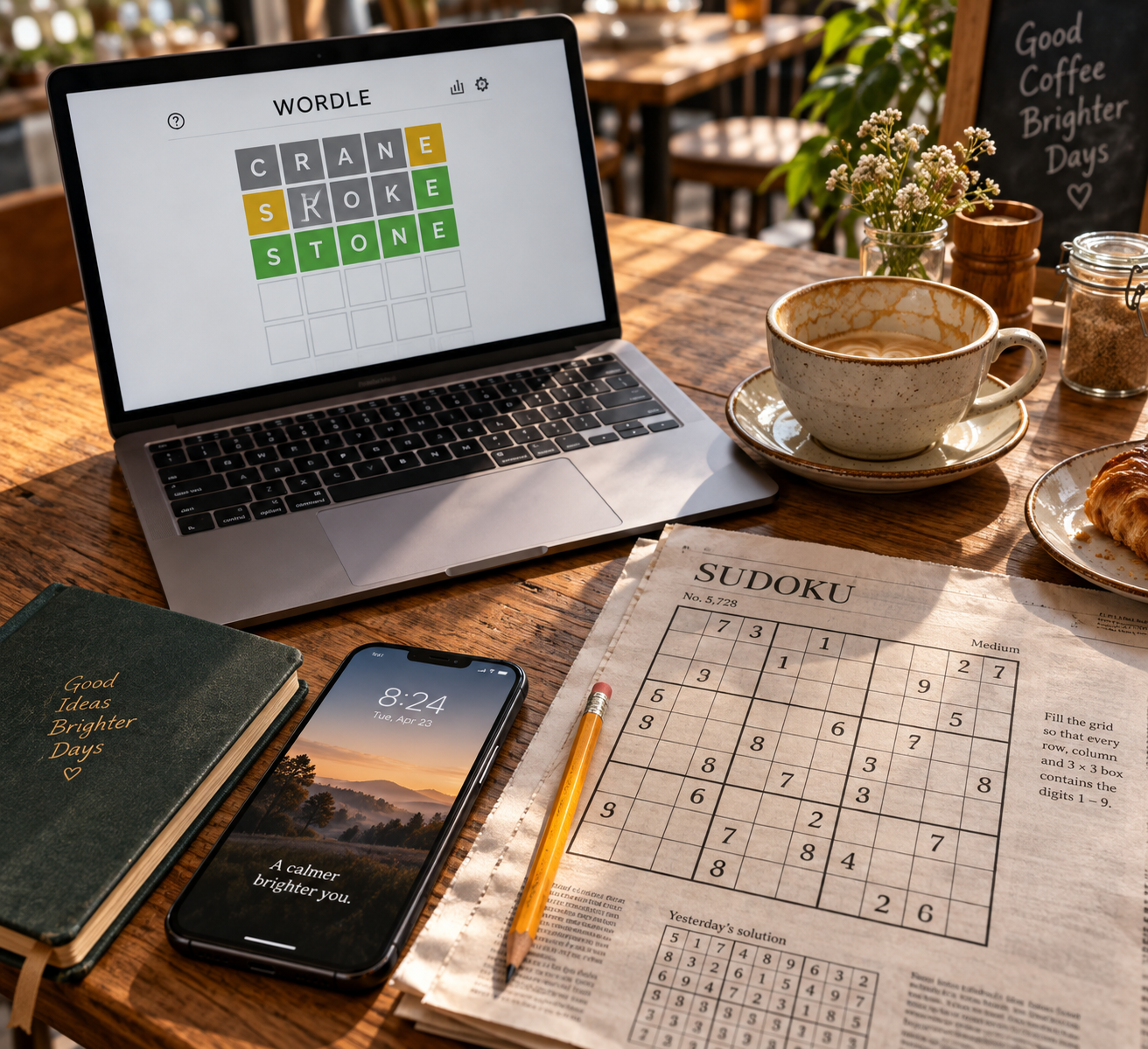
Daily Puzzle Rituals: Why Wordle and Sudoku Hook Your Brain
Daily puzzle games like Wordle and Sudoku tap into streaks, novelty and tidy completion. Here's the psychology behind the habit — and how to play well.

Roth IRA Explained: Limits, Taxes and the Five-Year Rule
A Roth IRA trades taxes today for tax-free income later. Here is how contribution limits, income phase-outs, the five-year rule and withdrawals actually work.

Tutoring and Learning Centers: A Parent's Honest Guide
How tutoring and learning centers actually work, what they cost, which questions to ask before you enroll, and how to tell whether your child is making real progress.

Coolmath Games: A Teacher-Built Puzzle Portal That Endures
Coolmath Games grew from a math teacher's classroom site into a free browser portal for puzzles, strategy and quick thinking games. Here's why it endures.

Classroom Resources: What Actually Helps Teachers and Students
A practical guide to classroom resources: how to choose, budget, organize, and retire the tools and supplies that genuinely improve K-12 learning.
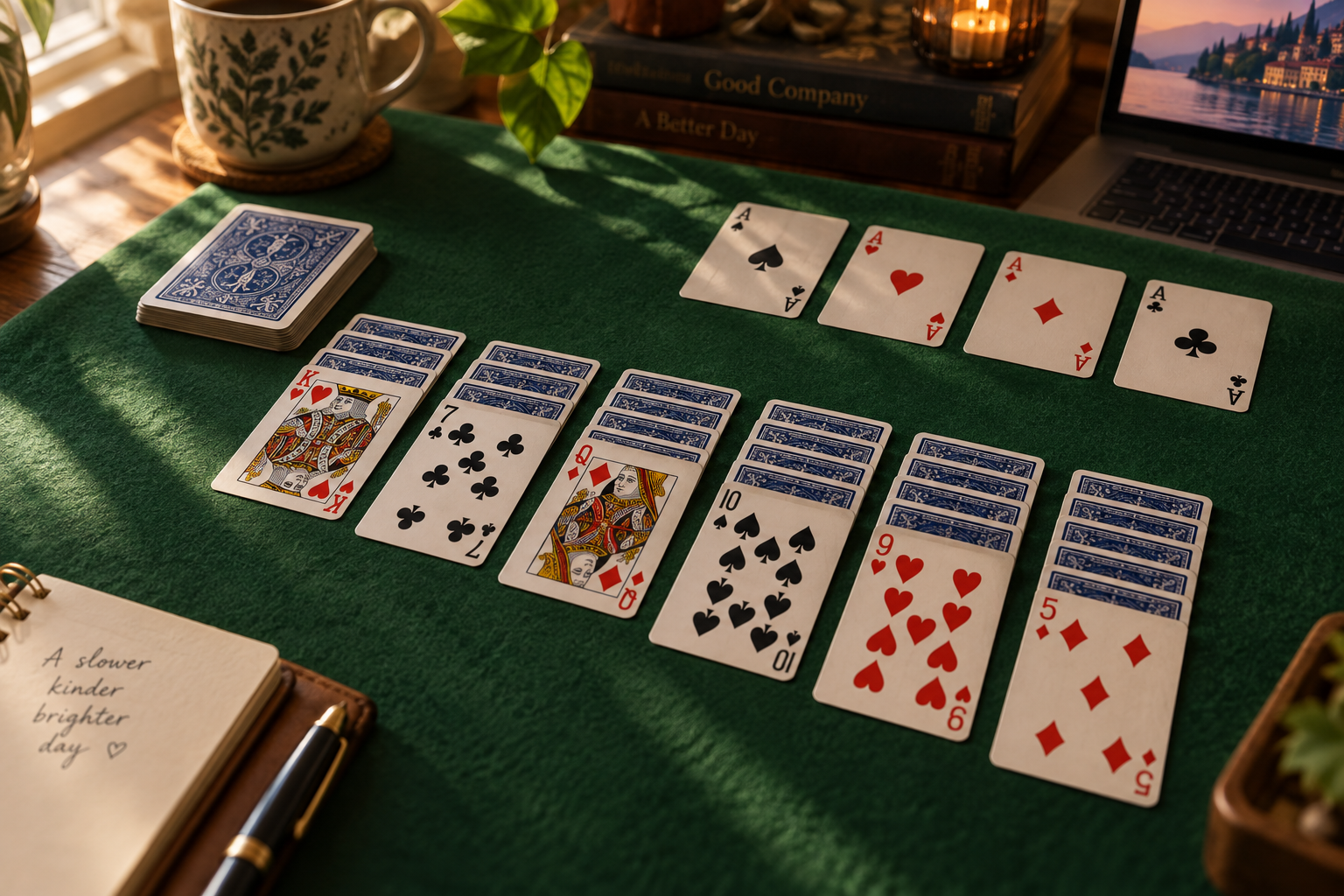
Solitaire: Why the Classic Card Game Still Wins
From Windows desktops to phone screens, solitaire remains a daily ritual for millions. Here's why the classic card game endures, and how to play it smarter.

Wells Fargo: Scandals, Recovery and What It Offers Now
Wells Fargo spent a decade rebuilding after the fake-accounts scandal and a Fed asset cap. Here's what changed, and what the bank actually offers savers today.

Truist Bank: What the BB&T–SunTrust Merger Built
Truist Bank combines a large branch network with digital tools and a no-overdraft flagship account. Here’s how its checking, savings and fees compare.

Netbank Explained: What a Branchless Bank Really Offers
Netbank is more than a login screen. Here's how branchless banks actually work, what deposit insurance really covers, and what to check before moving savings.

How Banks Work: Deposits, Loans and the Safety Net
Banks turn deposits into loans, but that maturity mismatch can spark runs. Here's how the machinery works, what insurance covers, and how to pick a bank.
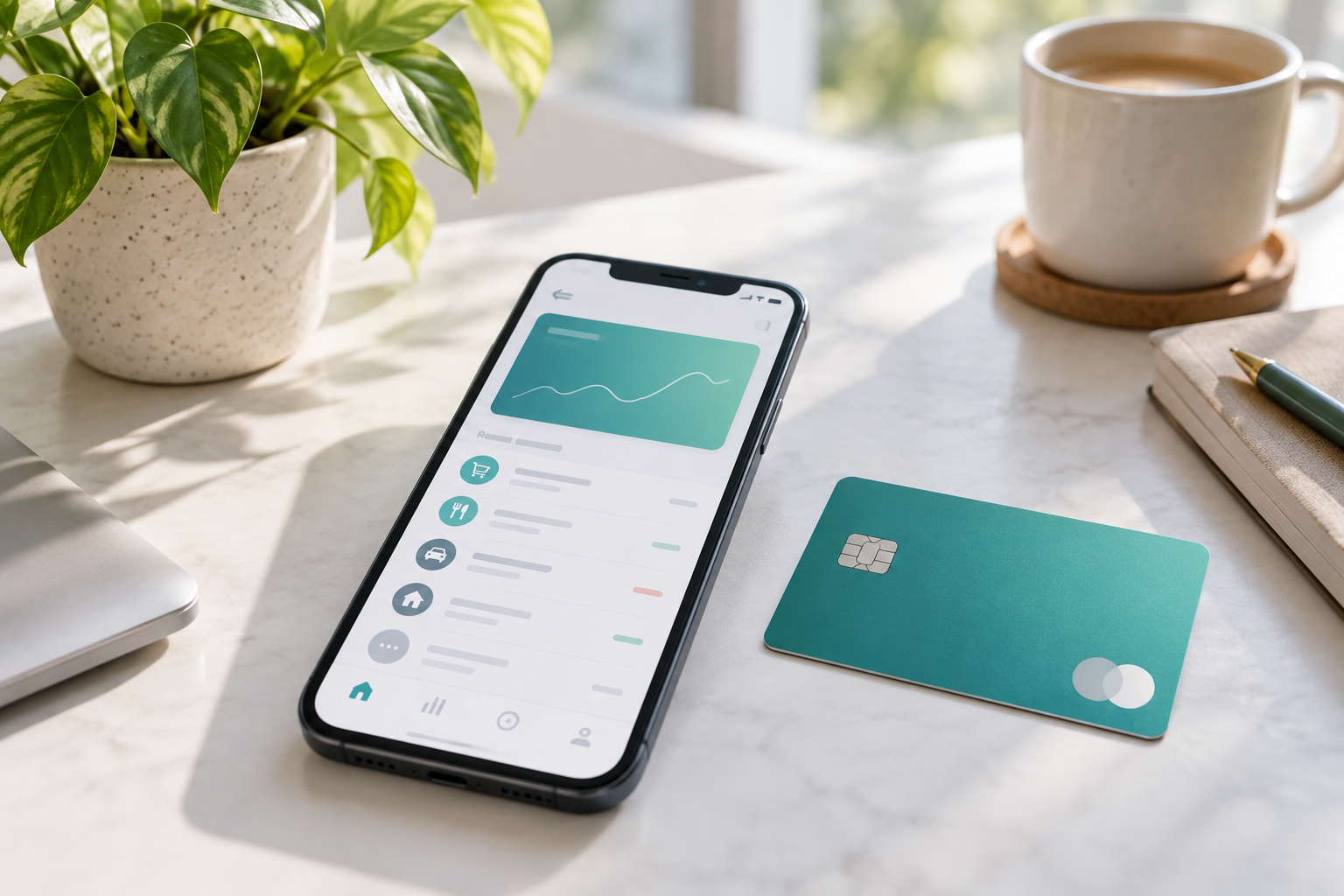
Chime Banking: The App That Feels Like a Bank—But Isn't
Chime is a fintech app, not a bank. Here's how its checking, savings, early direct deposit and Credit Builder really work—plus fees and limits to watch.

High-Yield Savings Accounts: Where Your Cash Actually Earns
High-yield savings accounts can pay many times the national average. Here's how APY works, what the fine print hides, and when this account is the wrong tool.
More from smartsearchweb.com

Remote Jobs: How to Find Legitimate Work From Anywhere
A practical guide to finding legitimate remote jobs, reading listings carefully, spotting scams, and setting up to work from anywhere safely.

Temp Work, Real Pay: How to Read Job Listings and Get Hired
A practical guide to temp jobs and job listings: how pay rates, assignment length, agencies, and worker classification affect your take-home pay.
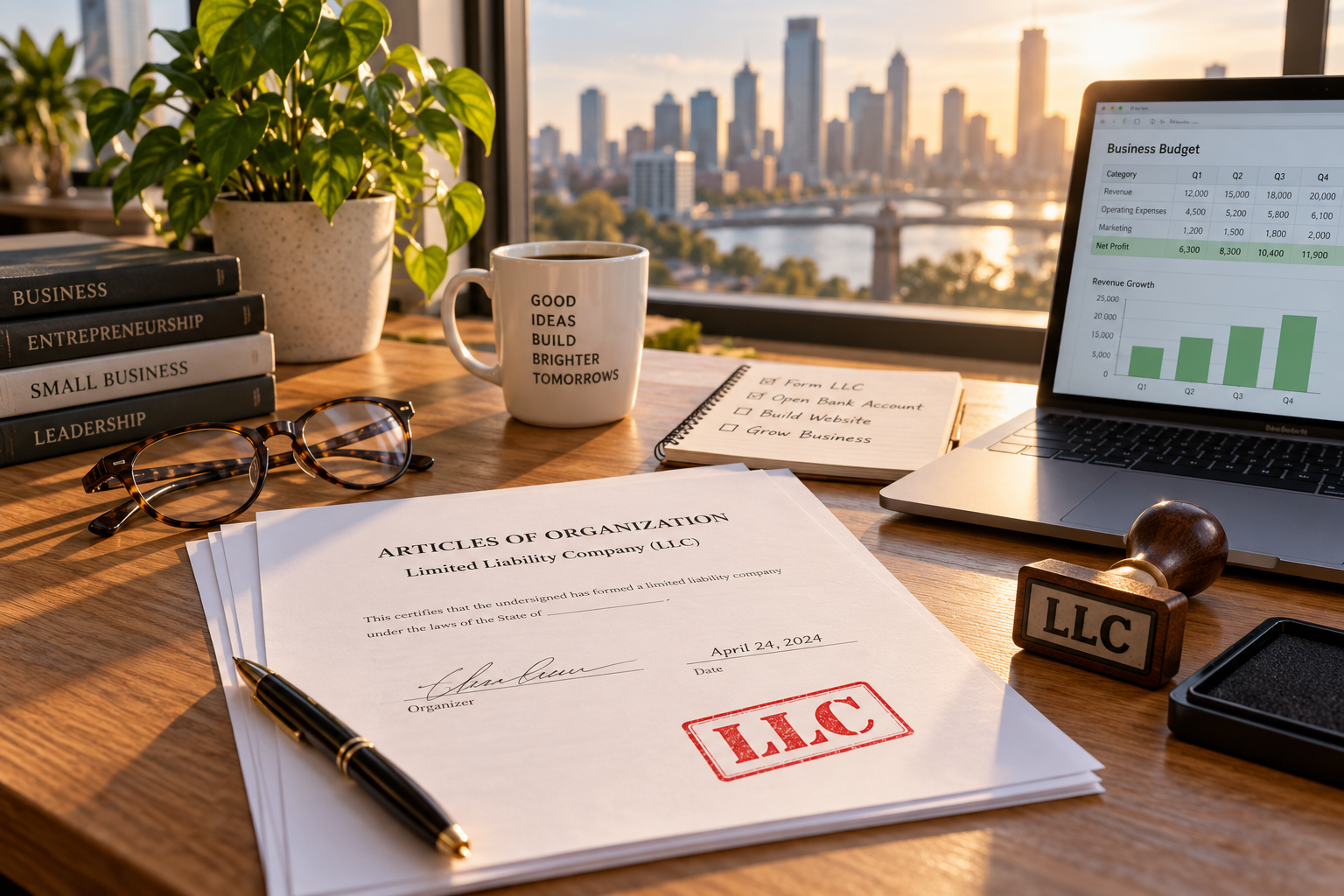
LLC Basics: Liability, Taxes, and How Formation Really Works
An LLC protects personal assets and simplifies taxes, but paperwork and state rules matter. Here is how formation actually works, step by step.

Goodwill Donation Centers: The Legal and Tax Basics
Goodwill's bins accept more than old sweaters. Here's how the nonprofit network works, what your receipt must say, and how to value what you give.

MacKenzie Scott's Billions: The Legal Side of Fast Giving
MacKenzie Scott has moved billions to nonprofits with few strings attached. Here's how the legal plumbing works — and what recipients must handle after the money lands.

Geometry Dash: Inside the One-Button Rhythm Obsession
Geometry Dash turns one tap into an obsession: how the rhythm platformer works, why dying 4,000 times feels fair, and why its level editor still hums.

Tutoring That Works: What to Ask Before You Pay
A practical guide to K-12 tutoring: how to tell if your child needs it, what effective sessions look like, key questions to ask, and red flags to avoid.
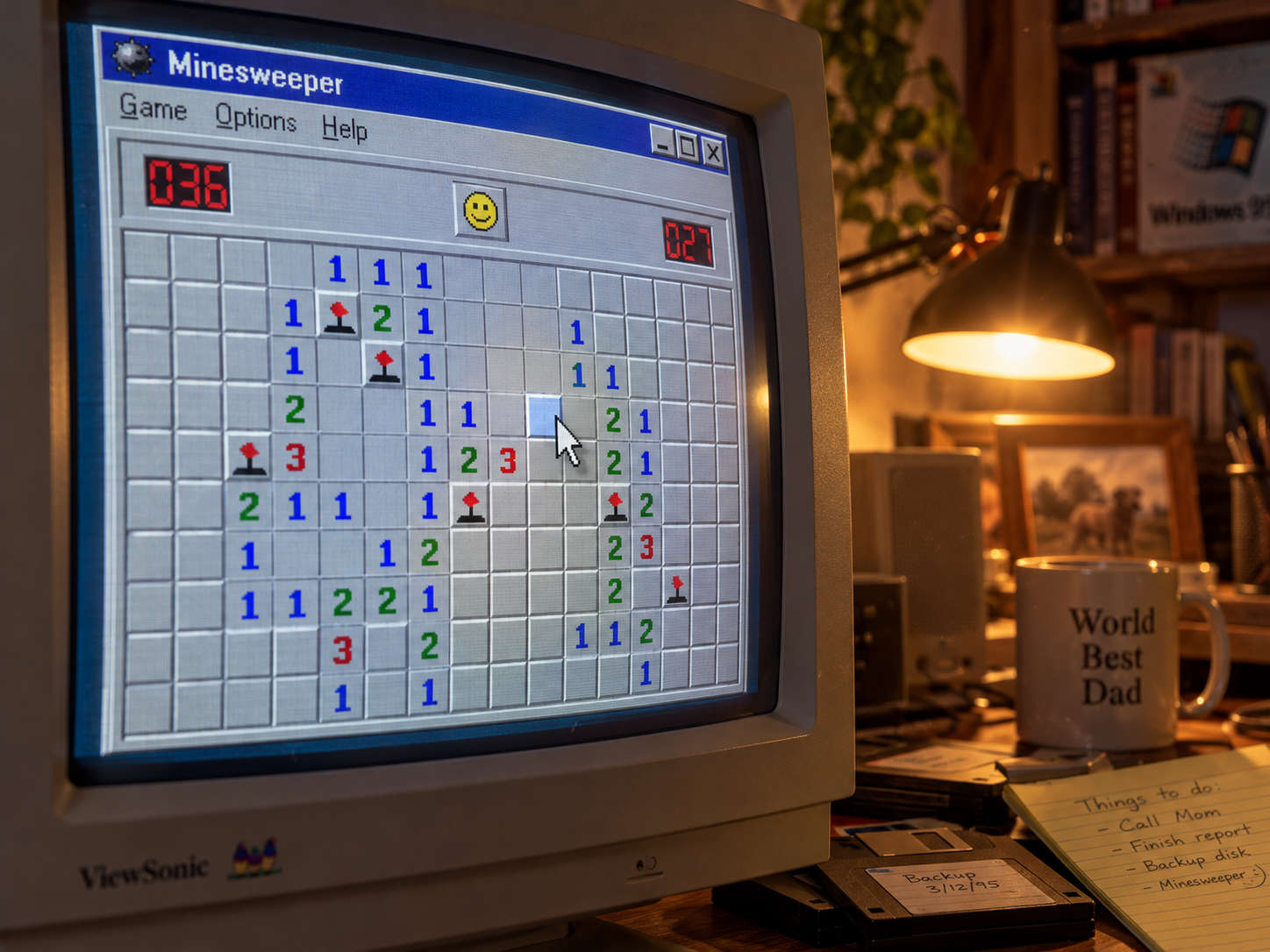
Minesweeper: The Tiny Logic Game That Still Hooks Millions
Minesweeper looks like luck, but it's pure deduction. Here's how the numbers work, why experts still lose, and how to win more boards without guessing.