The IRS's Digital Transformation: Taxpayer Relief or Privacy Peril?
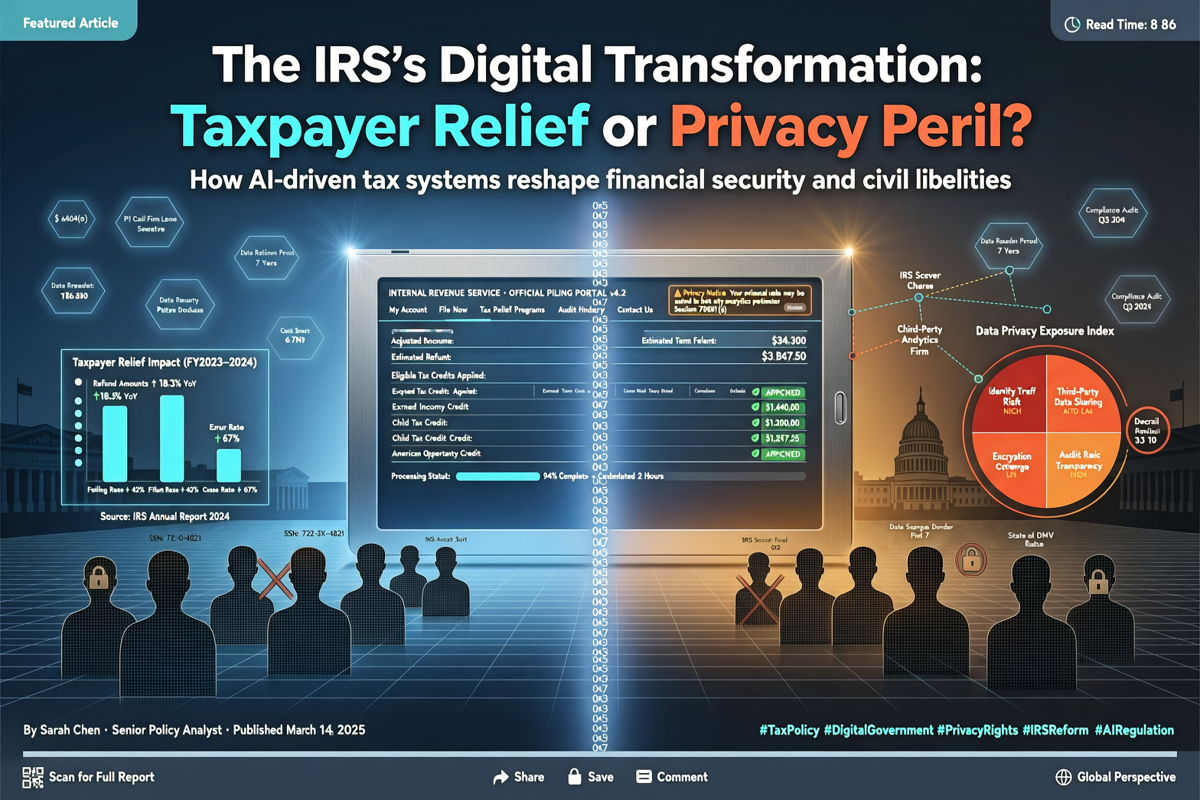
The IRS is modernizing with AI and digital tools to improve service, but critics warn of privacy risks. Is the trade-off worth it?
The IRS in the 21st Century: A Balancing Act
The Internal Revenue Service (IRS) has long been a source of anxiety for Americans. From complex forms to dreaded audits, the agency has a reputation for being both powerful and opaque. But under the Biden administration and with the influx of funding from the Inflation Reduction Act, the IRS is undergoing a massive digital transformation. The goal: to modernize operations, improve taxpayer services, and crack down on tax evasion. However, as the agency adopts artificial intelligence, expands data collection, and pushes for real-time reporting, a crucial question emerges: Is this progress a boon for taxpayers or a threat to privacy?
The Promise of Modernization
The IRS has historically struggled with outdated technology. In 2022, the agency still relied on systems from the 1960s. The new funding aims to change that. Initiatives include:
- AI-powered chatbots to answer taxpayer questions 24/7.
- Digital filing enhancements that pre-fill returns using third-party data.
- Real-time transaction monitoring to detect fraud and underreporting.
- Expanded online accounts for individuals and businesses to view balances and make payments.
These changes promise faster refunds, fewer errors, and a more user-friendly experience. For the average taxpayer, this could mean less time on hold and more accurate returns.
The Privacy Concerns
But with greater efficiency comes greater surveillance. Critics argue that the IRS's digital expansion could lead to a 'Big Brother' scenario. Key worries include:
- Data breaches: The IRS already holds sensitive financial data. A larger digital footprint increases the risk of hacks.
- Algorithmic bias: AI systems may disproportionately flag low-income or minority taxpayers for audits.
- Real-time reporting: Proposals for banks to report all transactions over $600 to the IRS could expose every purchase to government scrutiny.
- Third-party data sharing: The IRS already receives data from employers, banks, and gig platforms. Expanded sharing could erode financial privacy.
Privacy advocates argue that the IRS should focus on improving existing systems rather than expanding its reach. They point to a 2023 incident where the IRS accidentally released confidential taxpayer data to the public as a cautionary tale.
The Political Divide
Unsurprisingly, the digital transformation has become a political lightning rod. Democrats generally support the modernization, seeing it as a way to fund social programs by closing the tax gap. Republicans, however, warn of government overreach and have proposed amendments to limit the IRS's data collection powers. The debate reflects a broader tension between efficiency and liberty.
What This Means for You
For the average taxpayer, the changes will be gradual. The IRS plans to roll out new tools over the next decade. In the short term, you may notice:
- Faster processing of e-filed returns.
- More personalized communication from the IRS.
- Optional use of chatbots for simple inquiries.
However, to protect your privacy, experts recommend:
- Using strong passwords and two-factor authentication for IRS online accounts.
- Monitoring your credit report for signs of identity theft.
- Staying informed about proposed data collection rules.
Conclusion
The IRS's digital transformation is inevitable and, in many ways, necessary. But it must be implemented with robust privacy safeguards and public oversight. As the agency evolves, taxpayers should remain vigilant about how their data is used. The balance between convenience and confidentiality will define the IRS of the future.