Armpit Surgery Unpacked: What You Should Know Before Going Under
From hyperhidrosis to lymph node removal, armpit surgery covers many procedures. Learn why it's done, what to expect, recovery, risks, and more.
Why Would You Need Armpit Surgery?
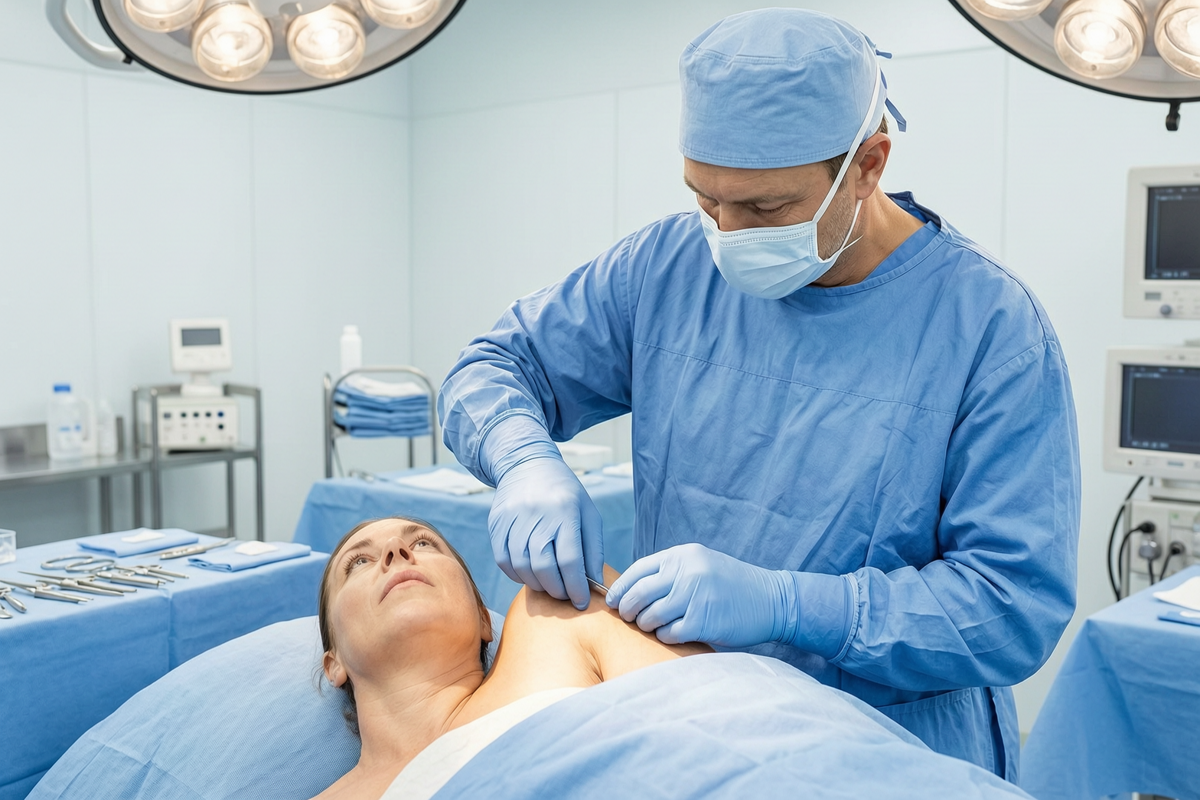
Armpit surgery—medically known as axillary surgery—is not a single procedure. It's a group of operations performed on the underarm area to treat a wide range of conditions. While the topic might sound unusual, armpit surgeries are quite common, and many people undergo them every year for reasons that go far beyond cosmetic concerns.
Here are the most frequent reasons a surgeon might recommend operating on your armpit:
- Hyperhidrosis (excessive sweating): When antiperspirants and other treatments fail, a procedure called sympathectomy can interrupt the nerve signals that trigger overactive sweat glands.
- Hidradenitis suppurativa: This chronic skin condition causes painful, recurring boils and tunnels in the armpit, and surgery may be needed to remove severely affected tissue.
- Lymph node removal or biopsy: The armpit contains many lymph nodes, and they are often sampled or removed to check for cancer spread, especially in breast cancer patients.
- Infection or abscess drainage: Persistent, deep infections may require surgical drainage and debridement.
- Cysts, lipomas, or other growths: Unusual lumps can be excised for both diagnostic and cosmetic reasons.
Common Armpit Surgery Procedures
Depending on your diagnosis, the exact operation will vary. Here are the most common types of armpit surgery performed today.
Sympathectomy for Excessive Sweating
For people with severe palmar or axillary hyperhidrosis, a minimally invasive procedure called endoscopic thoracic sympathectomy (ETS) is a game-changer. During ETS, the surgeon makes tiny incisions near the armpit and uses a camera to locate the sympathetic nerve chain. The nerve is then clamped, cut, or burned to stop the sweat signal. While the results are often dramatic, it's not without risks—some patients experience compensatory sweating in other parts of the body, which can be even more troublesome.
Lymph Node Removal and Biopsy
When breast cancer is diagnosed, surgeons often need to remove one or more axillary lymph nodes to see if cancer cells have spread. A sentinel lymph node biopsy removes only the first few nodes that drain the breast, while an axillary lymph node dissection removes a larger group. This procedure is critical for staging the cancer and guiding treatment decisions, but it carries a significant risk of lymphedema—chronic arm swelling that can be managed with therapy.
Hidradenitis Suppurativa Surgery
For people with advanced hidradenitis suppurativa, surgery may be the only lasting relief. The procedure involves excising the damaged skin and inflamed tissue, often leaving an open wound that heals from the inside out or a skin graft to close the wound. This is a more extensive surgery and requires a longer recovery period, but it can dramatically improve quality of life.
Excision of Cysts or Lumps
Sebaceous cysts, sebaceous adenomas, and lipomas can form in the armpit. These are usually benign, but if they become painful, infected, or enlarge, a surgeon can excise them in a simple outpatient procedure. The surgeon numbs the area, makes a small incision, removes the entire sac, and closes the wound with stitches.
How to Prepare for Armpit Surgery
Preparation begins well before you enter the operating room. Your surgeon will likely order blood tests, imaging, and possibly a biopsy. You should also:
- Stop smoking: Smoking impairs blood flow and dramatically increases the risk of wound complications.
- Avoid certain medications: Anti-inflammatory drugs, aspirin, and some supplements can increase bleeding risk. Always follow your surgeon's list of approved medications.
- Do not apply deodorant or lotion: On the day of surgery, clean your armpit with the provided antibacterial soap but avoid any products afterward.
- Arrange help: Depending on the procedure, you may need help at home for the first day or two, especially if you had lymph nodes removed.
Recovery and Aftercare
Recovery from armpit surgery depends heavily on the scope of the operation. For minor cyst removal, most people return to work in a few days. After lymph node dissection, you may need a drain and will have to be careful with your arm for weeks.
Immediately After Surgery
You'll have a dressing over the incision, and often a small drain to collect excess fluid. Your medical team will show you how to care for the drain and measure the output. Expect some bruising, swelling, and tenderness—that's normal. Pain is usually managed with prescription or over-the-counter medication.
Wound Care
Keep the area clean and dry. Avoid soaking in a bathtub or swimming until your surgeon says it's safe. Showering is often allowed after 24-48 hours, but you must protect the dressing. Never remove the surgical tape yourself; let it fall off or be removed by a nurse.
Returning to Activities
You'll need to limit arm movement on the affected side. Heavy lifting, vigorous exercise, and overhead reaching are typically restricted for 2 to 4 weeks, depending on the procedure. Simple activities like brushing your teeth or dressing might be uncomfortable at first. A physical therapist may guide you through exercises to prevent stiffness and lymphedema, especially after lymph node removal.
Risks and Potential Complications
All surgery carries risks, and armpit surgery is no exception. Be aware of these potential issues:
- Infection: Redness, warmth, pus, or fever should be reported immediately.
- Bleeding and seroma: A buildup of fluid under the skin may require aspiration or a drain.
- Nerve damage: The armpit holds several important nerves, so temporary numbness or weakness is possible. In rare cases, it can be permanent.
- Lymphedema: Swelling of the arm is the most feared complication of lymph node removal, but compression garments, massage, and exercise can help.
- Scarring: Incisions in the armpit often heal well, but some people develop hypertrophic scars or keloids.
When to Call Your Surgeon
Most pain and swelling will subside within a week or two, but some warning signs should not be ignored. Call your surgeon right away if you develop a fever over 101°F, the wound opens, active bleeding soaks the dressing, you feel increasing pain not controlled by medication, or you notice any new weakness or numbness in your hand or arm. Early intervention can prevent minor issues from becoming major ones.
The Bottom Line
Armpit surgery might sound intimidating, but it is often a small, life-changing intervention. Whether you're seeking relief from excessive sweating, dealing with a chronic skin condition, or undergoing cancer staging, understanding what to expect can ease your anxiety and help you heal faster. Always choose a qualified, board-certified surgeon and follow their pre- and post-operative instructions carefully. Your underarm has a big job to do—and sometimes a little surgical help makes all the difference.