Your Guide to Voting Locations in 2025
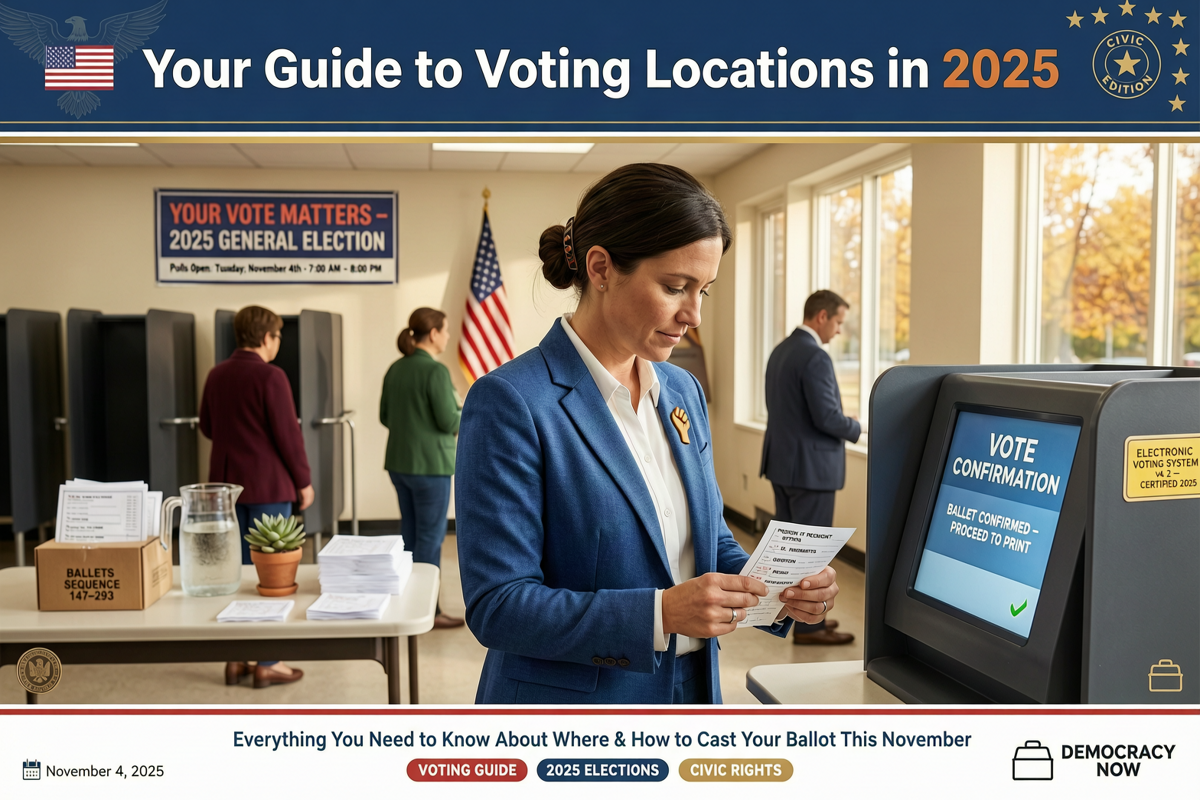
Find your polling place, check hours, and know your rights. A complete guide to where to vote in the 2025 elections.
Introduction
With the 2025 elections approaching, knowing where to vote is crucial. Whether you're a first-time voter or a seasoned participant, this guide covers everything you need to find your polling place, understand early voting options, and ensure your vote counts.
How to Find Your Polling Place
Your polling place is typically assigned based on your residential address. Here are the most reliable ways to locate it:
- Check your voter registration card: Your card lists your designated polling location. If you've moved recently, update your registration.
- Use your state's election website: Most states have an online portal where you can enter your address to find your polling place, hours, and sample ballot.
- Call your local election office: If you prefer phone assistance, your county or city election office can provide your polling location.
- Use nonpartisan tools: Websites like Vote.org and the League of Women Voters offer polling place locators.
Early Voting and Vote Centers
Many states offer early voting, which allows you to cast your ballot before Election Day. Early voting locations may differ from your Election Day polling place. Some states have vote centers, where any registered voter in the county can vote, regardless of precinct. Check your state's early voting schedule and locations.
What to Bring to the Polls
Voter ID laws vary by state. Some require photo ID, others accept non-photo documents, and a few have no ID requirement. Common acceptable IDs include:
- Driver's license or state ID card
- Passport
- Military ID
- Utility bill or bank statement (in states with non-photo ID requirements)
If you don't have ID, some states allow you to sign an affidavit or cast a provisional ballot. Check your state's rules in advance.
Polling Place Hours
Polling places are typically open from early morning (e.g., 6 or 7 a.m.) until evening (e.g., 7 or 8 p.m.). If you are in line by closing time, you have the right to vote. Hours may vary by county, so confirm with your local election office.
Accessibility and Assistance
Federal law requires polling places to be accessible to voters with disabilities. If your polling place is not accessible, you can request curbside voting or an alternative location. You may also bring someone to assist you, or request help from poll workers.
What If You're Not on the Voter List?
If your name doesn't appear on the voter list, you may still be able to vote. Ask for a provisional ballot, which will be counted after election officials verify your registration. You can also ask to be directed to the correct polling place.
Last-Minute Tips
To ensure a smooth voting experience:
- Check your polling place before Election Day, as it may have changed.
- Plan your visit during off-peak hours (mid-morning or early afternoon) to avoid long lines.
- Bring water and snacks if you anticipate a wait.
- Know your rights: If you encounter problems, call the Election Protection hotline at 866-OUR-VOTE.
Conclusion
Voting is a fundamental right, and knowing where to vote is the first step. Use the resources above to find your polling place, understand the rules, and cast your ballot with confidence. Every vote matters!