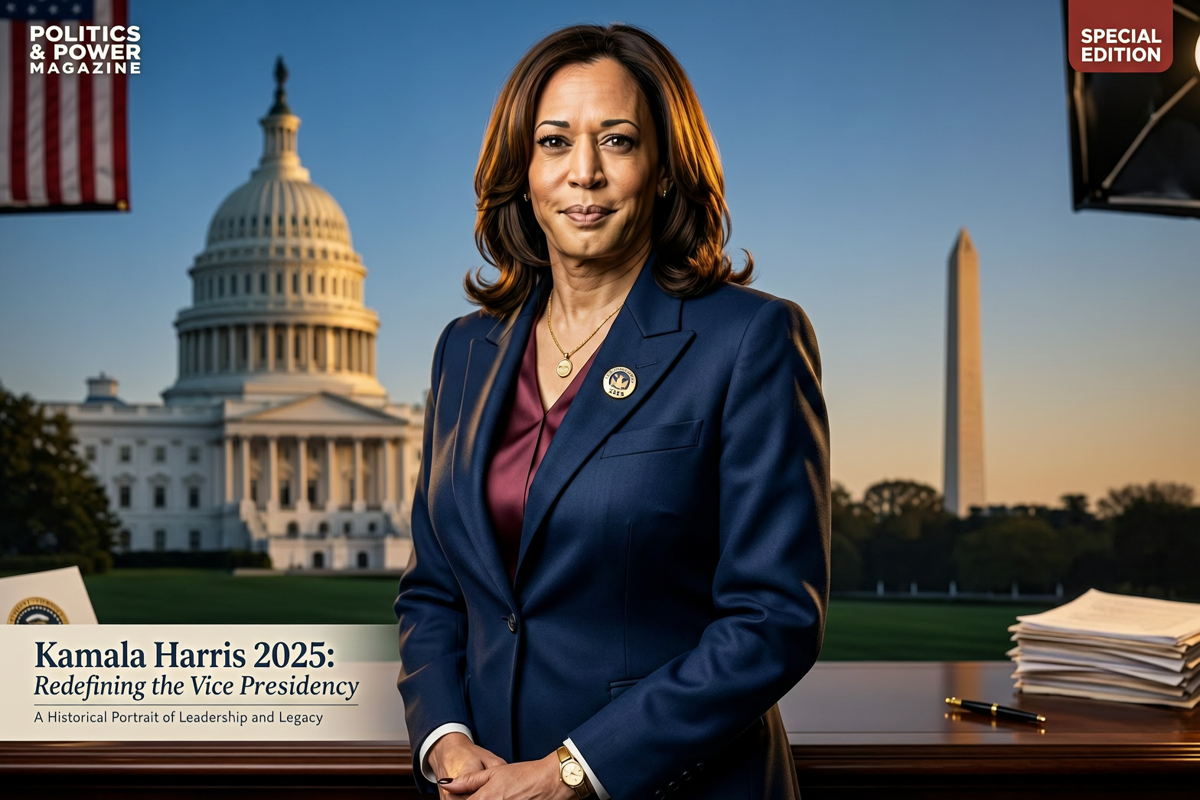
Kamala Harris 2025: Redefining the Vice Presidency
As Kamala Harris enters a pivotal year, her role as Vice President evolves beyond tradition. This article explores her influence on campaigns, policy, and the 2025 political landscape.
A New Chapter for the Vice Presidency
In 2025, Kamala Harris stands at a crossroads. As the first woman, first Black, and first South Asian Vice President, she has already shattered glass ceilings. But with the next presidential election looming, her role is shifting from a supportive figure to a central force in shaping the Democratic Party's future. This article examines how Harris is redefining the vice presidency and what it means for campaigns and elections in 2025.
From Symbol to Strategist
When Harris took office in 2021, much of the focus was on her historic identity. However, by 2025, she has evolved into a key political strategist. Her office now coordinates closely with the Democratic National Committee (DNC) to craft messaging that resonates with key demographics: young voters, women, and communities of color. Harris has become a frequent surrogate on the campaign trail, not just for President Biden but for down-ballot candidates across the country. Her ability to energize base voters while appealing to moderates makes her an invaluable asset in tight races.
Policy Portfolio Expansion
Harris has taken on high-stakes policy portfolios that were once considered peripheral for a Vice President. She leads the administration's efforts on voting rights, reproductive health, and immigration reform—issues that are central to Democratic campaigns. Her advocacy for the Freedom to Vote Act and her vocal stance on abortion access have galvanized progressive activists. At the same time, she has worked with corporate leaders to promote economic equity, a message that resonates with swing voters concerned about inflation and job security.
The 2025 Campaign Trail
As the 2025 election cycle heats up, Harris is expected to play a dual role: defending the Biden-Harris record while laying groundwork for her own potential presidential run. She has already visited key battleground states like Georgia, Arizona, and Pennsylvania, where she highlights infrastructure investments and job creation. Her speeches often blend personal anecdotes with policy specifics, a style that humanizes the administration's achievements. Critics argue that she remains polarizing, but her approval ratings among Democrats have stabilized, and she is seen as a formidable campaigner.
Navigating Challenges
Harris faces significant challenges. The border crisis remains a liability, with Republicans hammering her on immigration. Her handling of the issue has drawn criticism from both left and right, forcing her to tread carefully. Additionally, some Democratic insiders worry about her ability to connect with working-class voters, a weakness that could hurt in Rust Belt states. To address this, her team has ramped up local media appearances and town halls, emphasizing kitchen-table issues like child care and prescription drug costs.
Redefining the Veep Role
Historically, vice presidents have been relegated to ceremonial duties or behind-the-scenes advice. Harris is changing that. She has a dedicated policy team that rivals the White House staff, and she regularly chairs meetings of the National Space Council and the National Board for Education Sciences. Her office also oversees the administration's equity agenda, ensuring that federal programs benefit underserved communities. This expanded role sets a precedent for future vice presidents, blurring the line between support and co-governance.
Media and Messaging
Harris's media strategy has also evolved. She now gives more interviews to outlets like Pod Save America and The Breakfast Club, targeting younger and diverse audiences. Her social media presence, particularly on TikTok and Instagram, features behind-the-scenes content that humanizes her. In 2025, she launched a digital series called "Veep Talks," where she discusses policy with influencers and activists. This approach aims to counter the often negative coverage from conservative media and build a direct connection with voters.
Impact on Down-Ballot Races
Harris's influence extends beyond the presidential race. She has raised millions for Democratic candidates through joint fundraising committees and virtual events. Her political action committee, Win with Women, supports female candidates at all levels. In 2025, she endorsed over 50 candidates for Congress and state legislatures, many of whom credit her support with boosting their profiles. Her ability to mobilize volunteers and donors makes her a kingmaker within the party.
Looking Ahead
Whether Harris runs for president in 2028 or later, her current trajectory is reshaping expectations. She is proving that a vice president can be a policy leader, a campaign powerhouse, and a symbol of progress simultaneously. As the 2025 election approaches, all eyes will be on her—not just as a running mate, but as a political force in her own right. The vice presidency will never be the same.