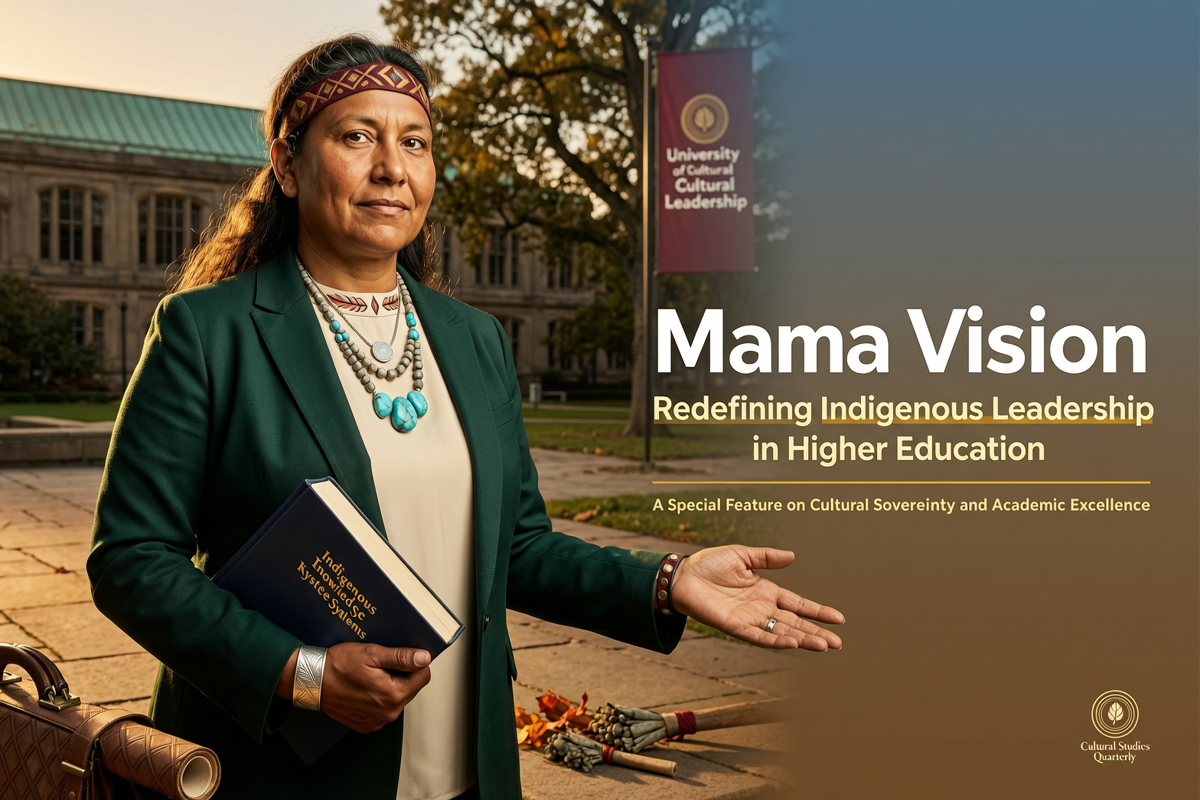
Mana Vision: Redefining Indigenous Leadership in Higher Education
Discover how Mana Vision is transforming post-secondary education by integrating Indigenous knowledge systems, fostering cultural resilience, and empowering the next generation of leaders.
Introduction: A New Dawn for Indigenous Education
In the evolving landscape of higher education, a powerful concept is emerging from Indigenous communities: Mana Vision. Rooted in the Māori word "mana," which denotes prestige, authority, and spiritual power, Mana Vision is a framework that reimagines leadership and learning through an Indigenous lens. As colleges and universities worldwide grapple with decolonization and inclusivity, Mana Vision offers a pathway to honor ancestral wisdom while preparing students for the complexities of the modern world.
This article explores how Mana Vision is being implemented in post-secondary institutions, its core principles, and the transformative impact it has on students, faculty, and communities.
What Is Mana Vision?
Mana Vision is not a one-size-fits-all program but a set of guiding principles that prioritize Indigenous worldviews, collective well-being, and intergenerational knowledge transfer. At its heart, it recognizes that true leadership stems from a deep connection to one's culture, land, and community. In educational settings, this translates to curricula that integrate Indigenous languages, histories, and epistemologies, as well as pedagogical approaches that emphasize relationality, reciprocity, and respect.
Institutions adopting Mana Vision often establish dedicated centers or programs, such as the Mana Vision Leadership Academy at the University of Waikato in New Zealand. These hubs serve as spaces where Indigenous and non-Indigenous students alike can learn from elders, engage in land-based learning, and develop skills that honor both traditional and contemporary knowledge systems.
Core Principles of Mana Vision in Higher Education
- Cultural Sovereignty: Recognizing the right of Indigenous peoples to control their own educational narratives and practices. This includes the revitalization of Indigenous languages and the inclusion of Indigenous governance models in university structures.
- Holistic Development: Education that nurtures the intellectual, emotional, spiritual, and physical dimensions of students. Success is measured not just by grades but by contributions to community and cultural continuity.
- Relational Leadership: Leadership is understood as a service to others, rooted in relationships rather than individual achievement. Students learn to lead with empathy, humility, and a sense of collective responsibility.
- Land-Based Learning: The natural environment is a teacher. Courses may include outdoor experiences that connect students to traditional territories, seasonal cycles, and sustainable practices.
- Intergenerational Knowledge Transfer: Elders and knowledge keepers are central to the learning process. Their wisdom is woven into academic programs, ensuring that ancient teachings remain relevant and accessible.
Case Studies: Mana Vision in Action
University of Waikato's Mana Vision Leadership Academy
Established in 2018, this academy offers a certificate program that blends Māori philosophy with contemporary leadership studies. Students participate in marae (meeting house) stays, learn te reo Māori, and undertake community projects. Graduates report a stronger sense of identity and purpose, with many going on to lead Indigenous organizations or advocate for policy change.
First Nations University of Canada
While not explicitly called Mana Vision, this institution embodies similar principles. It offers degrees grounded in Cree, Saulteaux, Dakota, and other Indigenous traditions. Students engage in ceremonies, sweat lodges, and storytelling circles. The university has seen increased enrollment and retention rates, particularly among Indigenous students who previously felt alienated by mainstream education.
Te Whare Wānanga o Awanuiārangi
This Māori tertiary institution in New Zealand operates entirely within a Māori worldview. Its Mana Vision-inspired programs include a PhD in Indigenous Studies that requires candidates to demonstrate how their research benefits their iwi (tribe). The approach has produced groundbreaking research in areas like traditional medicine and environmental stewardship.
Challenges and Opportunities
Implementing Mana Vision is not without obstacles. Funding constraints, resistance from traditional academic structures, and the risk of cultural appropriation are real concerns. However, the benefits are substantial. Studies show that Indigenous students who engage with culturally relevant curricula have higher academic achievement and lower dropout rates. Moreover, all students gain a richer, more diverse education that prepares them for a globalized world.
Non-Indigenous institutions can also adopt elements of Mana Vision. For example, incorporating Indigenous perspectives into existing courses, establishing partnerships with local tribal communities, and creating safe spaces for Indigenous students to thrive.
How to Get Involved
For students, faculty, and administrators interested in Mana Vision, the first step is education. Read works by Indigenous scholars like Linda Tuhiwai Smith, attend workshops, and listen to community voices. For institutions, genuine partnership with Indigenous communities is essential—not tokenism. This might involve co-creating curricula, hiring Indigenous faculty, and ensuring that governance structures include Indigenous representation.
Funding opportunities exist through government grants and private foundations dedicated to Indigenous education. Additionally, online platforms and conferences offer networking and learning opportunities.
The Future of Mana Vision
As the world grapples with climate change, social inequality, and cultural erosion, Mana Vision offers a beacon of hope. It reminds us that education can be a tool for healing and empowerment, not just economic advancement. By centering Indigenous knowledge, we create space for diverse ways of knowing and being—enriching the entire academic community.
In the coming years, expect to see more universities integrating Mana Vision principles, not only in specialized programs but across the curriculum. The ultimate goal is a transformed educational system that honors the past while building a just and sustainable future.
Mana Vision is more than a trend; it is a movement. And for students seeking a meaningful, culturally grounded education, it may be the path forward.