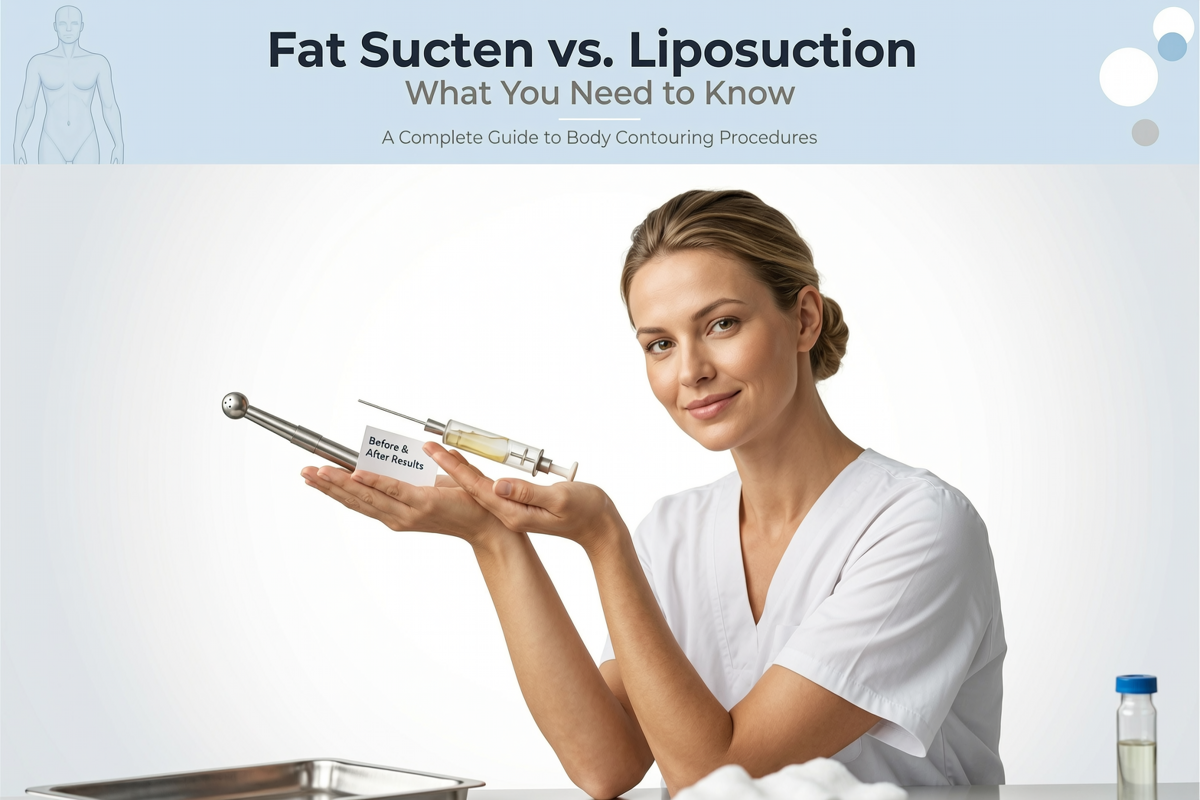
Fat Suction vs. Liposuction: What You Need to Know
Is fat suction the same as liposuction? This guide explains the differences, techniques, recovery, and risks to help you make an informed decision.
Understanding Fat Suction: More Than a Trend
In the world of body contouring, the term "fat suction" often surfaces alongside its more clinical counterpart, liposuction. While many use these words interchangeably, there are nuances that every prospective patient should understand. Fat suction refers to any procedure that removes fat cells from specific areas of the body through suction. This category includes traditional liposuction as well as newer, less invasive techniques. As body sculpting gains popularity, knowing the differences between these methods is crucial for achieving safe and satisfying results.
How Fat Suction Works
All fat suction procedures follow a basic principle: a cannula (a thin, hollow tube) is inserted through small incisions into the fat layer beneath the skin. The cannula is moved back and forth to loosen fat cells, which are then suctioned out using a vacuum device. However, the specifics vary by technique.
Traditional Liposuction
Traditional liposuction, also known as suction-assisted lipoplasty (SAL), is the original method. It uses a mechanical vacuum to remove fat. This technique is effective for larger volumes of fat but can be more traumatic to surrounding tissues, leading to more bruising and downtime.
Tumescent Liposuction
The tumescent technique is now the gold standard. Before suction, a large volume of a saline solution containing lidocaine (a local anesthetic) and epinephrine (a vasoconstrictor) is infused into the fatty area. This numbs the area, reduces bleeding, and makes fat removal easier. Tumescent liposuction can be performed under local anesthesia alone, reducing risks associated with general anesthesia.
Ultrasound-Assisted Liposuction (UAL)
UAL uses ultrasonic energy to liquefy fat cells before suction. This technique is particularly useful for fibrous areas like the back, male breasts, or secondary procedures where scar tissue is present. The liquefied fat is easier to remove, potentially reducing trauma.
Laser-Assisted Liposuction (SmartLipo)
Laser energy is used to melt fat and tighten the skin simultaneously. The laser fiber is inserted through a small cannula, and the heat stimulates collagen production. This method is best for small areas with mild skin laxity, such as the chin or inner arms.
Power-Assisted Liposuction (PAL)
PAL uses a cannula that vibrates rapidly, making it easier for the surgeon to break up fat. This reduces physical effort and can lead to more precise removal with less trauma. It is often used in combination with other techniques.
Who Is a Good Candidate?
Ideal candidates for fat suction are individuals who are within 30% of their ideal weight, have firm, elastic skin, and have stubborn fat deposits that do not respond to diet and exercise. It is not a weight-loss method or a treatment for obesity. Good health and realistic expectations are essential.
The Procedure: What to Expect
Fat suction is typically performed as an outpatient procedure. Depending on the extent, it may take one to several hours. Small incisions are made in inconspicuous places, and the chosen technique is applied. After the fat is removed, the incisions are closed, and compression garments are applied to reduce swelling and support the new contours.
Recovery and Results
Recovery varies by technique and extent. Most patients can return to work within a few days to a week. Swelling, bruising, and soreness are common for several weeks. Compression garments are usually worn for 4-6 weeks. Final results become visible after 3-6 months, once swelling fully resolves. The removed fat cells are gone permanently, but remaining cells can still enlarge if you gain weight, so maintaining a stable weight is important.
Risks and Considerations
As with any surgical procedure, fat suction carries risks: infection, bleeding, contour irregularities, fluid accumulation, and adverse reactions to anesthesia. Less common but serious risks include fat embolism (fat entering the bloodstream) and deep vein thrombosis. Choosing a board-certified plastic surgeon with experience in the specific technique minimizes these risks.
Fat Suction vs. Non-Invasive Alternatives
Non-invasive body contouring procedures like CoolSculpting (cryolipolysis), radiofrequency, and ultrasound treatments are also popular. These methods destroy fat cells without incisions or suction, but results are more modest and multiple sessions may be needed. Fat suction provides more dramatic and immediate results for larger areas.
Cost and Insurance
Fat suction is considered cosmetic and is not covered by insurance. Costs vary widely based on the area treated, technique, surgeon's expertise, and geographic location. On average, liposuction costs between $2,000 and $8,000 per area. It's important to factor in potential additional costs for anesthesia, facility fees, and compression garments.
Conclusion
Fat suction, whether through traditional liposuction or advanced techniques, remains one of the most effective ways to reshape the body. By understanding the different methods, candidacy, and recovery, you can have an informed conversation with a qualified plastic surgeon. Remember, the key to a successful outcome lies in realistic expectations and choosing the right procedure for your unique anatomy and goals.