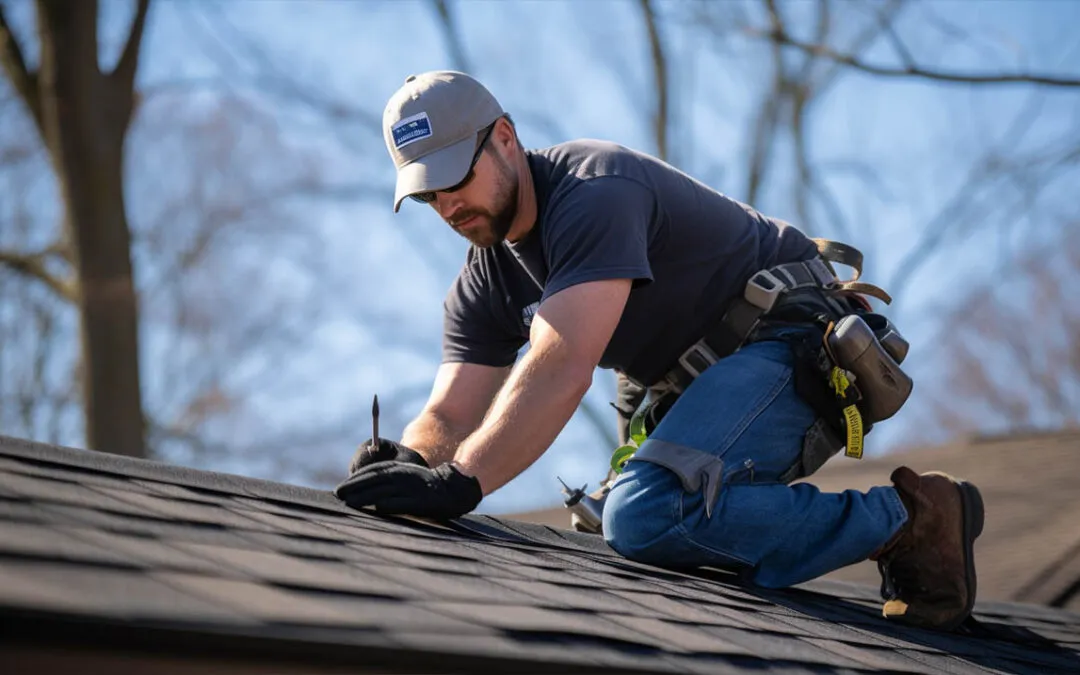
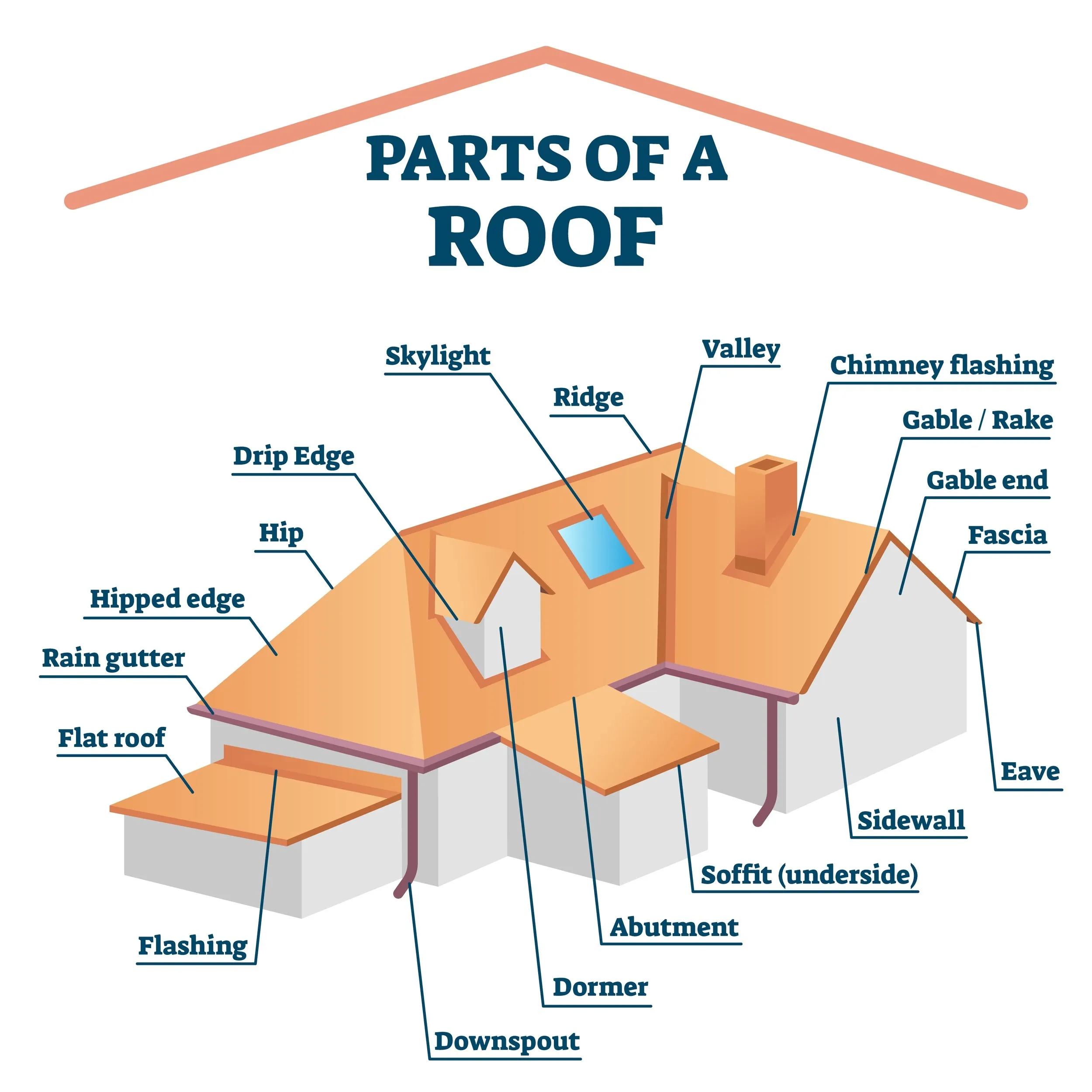
Roof Replacement Services: A Smart Investment for Long-Term Home Protection
A strong and reliable roof is essential to every home or commercial building. Over time, even the most durable roofing systems wear down due to weather exposure, aging materials, and structural stress. Roof replacement services play a critical role in protecting properties, improving energy efficiency, and maintaining long-term value.
In this article, we explore why roof replacement matters, what property owners should expect from professional services, and how modern roofing solutions deliver lasting benefits.
Why Roof Replacement Is More Than Just an Upgrade
Roof replacement is often misunderstood as a purely cosmetic improvement. In reality, it is a structural necessity when damage becomes extensive or the roof reaches the end of its service life.
An aging or failing roof can lead to:
- Water intrusion and interior damage
- Mold and mildew growth
- Higher energy consumption
- Reduced property value
- Safety risks during severe weather
Replacing your roof at the right time prevents these issues and ensures your building remains secure and compliant with modern construction standards.
Common Reasons Homeowners Choose Roof Replacement
While every property is different, most roof replacements are triggered by the following factors:
1. Aging Roofing System
Most roofs have a limited lifespan. Asphalt shingles typically last 20–25 years, while metal and tile roofs last longer but still require eventual replacement.
2. Storm and Weather Damage
Heavy rain, strong winds, hail, and prolonged sun exposure can weaken roofing materials beyond repair.
3. Ongoing Repair Costs
Frequent repairs often indicate deeper structural problems. At a certain point, replacement becomes more cost-effective than repeated fixes.
4. Home Renovation or Sale Preparation
Many homeowners replace their roof before selling to increase market value and buyer confidence.
What Professional Roof Replacement Services Include
A professional roof replacement service is a comprehensive process, not just the installation of new materials.
Roof Inspection and Assessment
Contractors evaluate the existing roof, decking, flashing, and ventilation systems to identify hidden damage.
Material Selection Guidance
Experts help property owners choose roofing materials that suit climate conditions, budget, and architectural style.
Safe Removal of Old Roofing
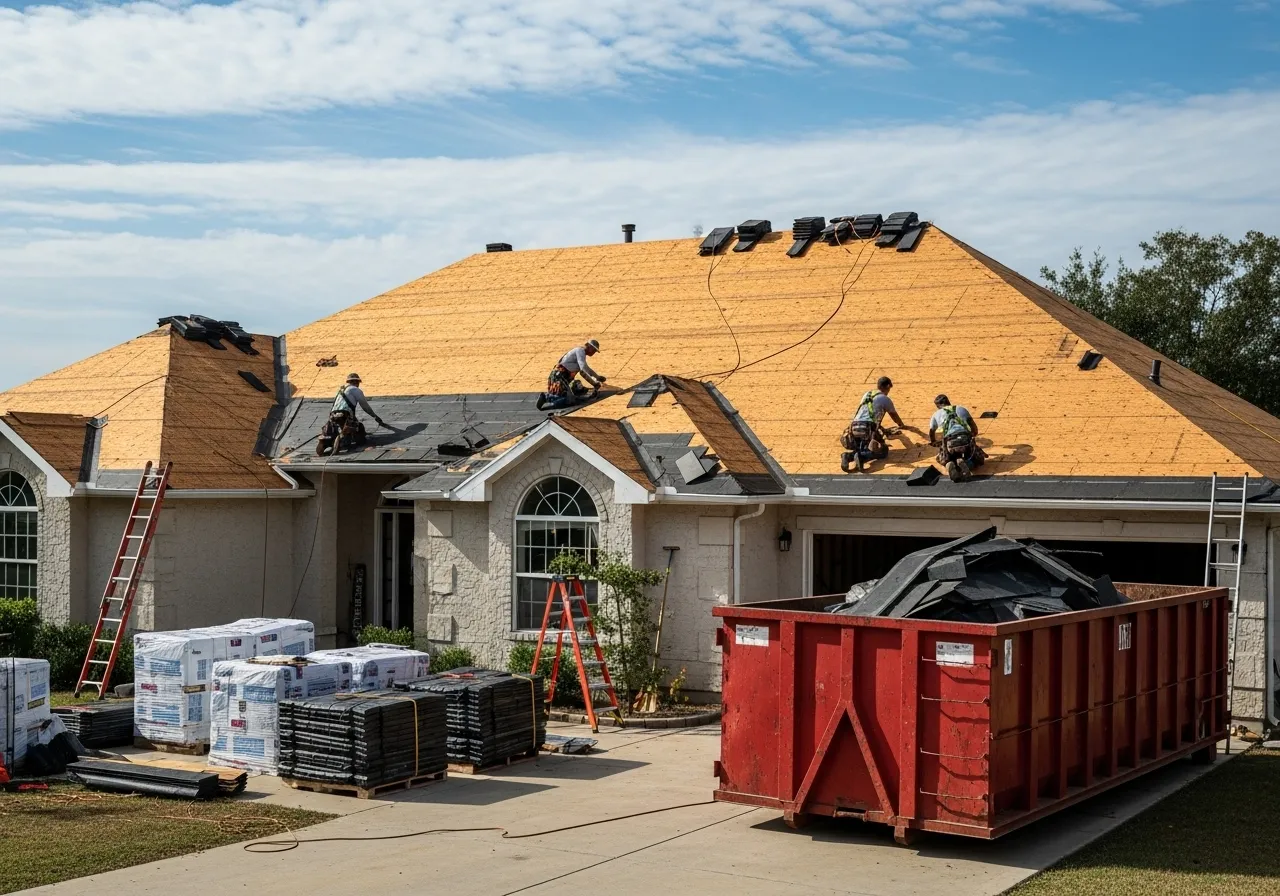
Old shingles and underlayment are removed carefully to avoid structural damage and ensure proper installation.
Structural Repairs
Any damaged decking or support components are repaired or replaced before the new roof is installed.
Precision Installation
This includes underlayment, waterproof barriers, flashing, ventilation, and final roofing materials installed to industry standards.
Final Inspection and Cleanup
The project concludes with a thorough quality check and complete site cleanup.
Roofing Materials Commonly Used Today
Modern roof replacement services offer a wide range of materials designed for durability and efficiency.
Asphalt Shingles
- Cost-effective and versatile
- Available in various colors and styles
- Suitable for most residential homes
Metal Roofing
- Long lifespan and low maintenance
- Reflects heat, reducing cooling costs
- Excellent resistance to extreme weather
Tile Roofing
- Long-lasting and visually distinctive
- Ideal for warm and coastal climates
- Requires reinforced roof structure
Flat Roofing Systems
- Common for commercial and modern residential buildings
- Easy to maintain and repair
- Energy-efficient options available
Choosing the right material is essential for long-term performance and return on investment.
How Roof Replacement Improves Energy Efficiency
One of the most overlooked benefits of roof replacement is improved energy efficiency. Modern roofing systems are designed to:
- Reduce heat transfer
- Improve attic ventilation
- Prevent air leaks
- Maintain consistent indoor temperatures
As a result, homeowners often experience lower heating and cooling costs after installing a new roof.
Understanding Roof Replacement Costs
Roof replacement costs vary depending on several factors:
- Roof size and slope
- Material selection
- Labor and installation complexity
- Structural repairs required
- Local building codes and permits
While the initial investment may seem significant, a properly installed roof can last decades and save thousands in future repairs and energy expenses.
Choosing the Right Roof Replacement Contractor
The quality of roof replacement depends heavily on the contractor’s expertise. When selecting a roofing professional, look for:
- Proper licensing and insurance
- Proven experience with similar projects
- Transparent pricing and written estimates
- Manufacturer and workmanship warranties
- Strong customer reviews and references
A reputable contractor ensures the job is completed safely, efficiently, and according to industry standards.
Roof Replacement Trends in 2025
Roofing technology continues to evolve. Current trends include:
- Sustainable and recyclable materials
- Cool roofing systems that reduce heat absorption
- Improved waterproofing membranes
- Advanced inspection tools for accuracy
These innovations help property owners achieve better performance and long-term reliability.
Conclusion
Roof replacement services are a vital investment in the safety, efficiency, and value of any property. Whether your roof has reached the end of its lifespan or suffered extensive damage, replacing it with a modern roofing system provides peace of mind and long-term protection.
By working with experienced professionals and choosing the right materials, homeowners can ensure their new roof performs reliably for years to come.