Roof Replacement Services: Enhancing Safety and Energy Efficiency
Roofing systems are exposed to constant stress from environmental conditions. Over time, this exposure reduces their ability to protect a building effectively. When damage becomes extensive, professional roof replacement services offer a reliable solution that improves safety, energy efficiency, and overall building performance.
Understanding how roof replacement works and why it is necessary helps property owners make informed maintenance decisions.
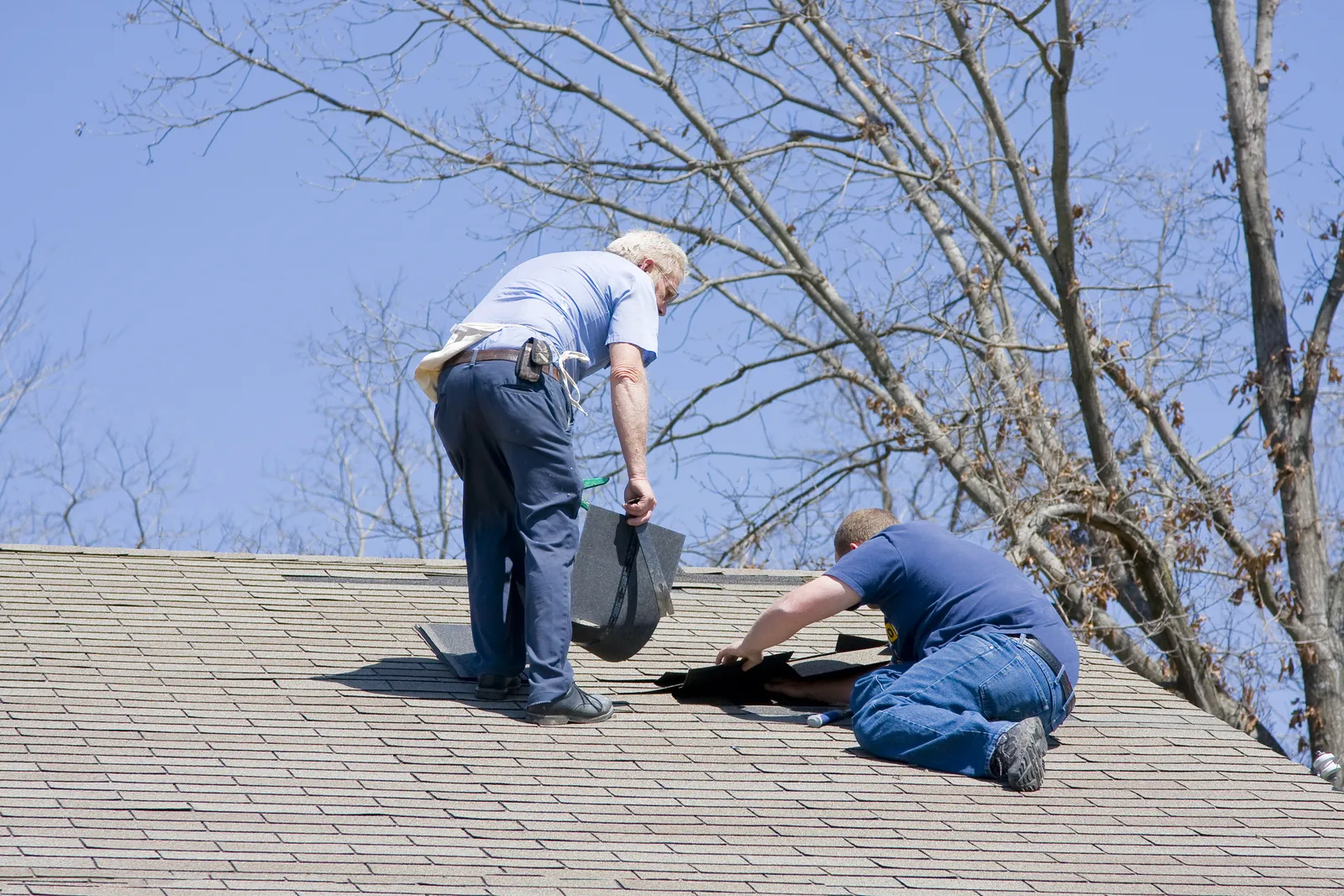
Why Roof Replacement Is a Safety Measure
A failing roof presents serious safety risks. Water infiltration can weaken structural components, promote mold growth, and damage insulation. In severe cases, roof collapse or electrical hazards may occur.
Roof replacement eliminates these risks by installing a new system designed to meet current safety standards. New roofing materials provide stronger resistance to weather and better load-bearing performance.
The Impact of Roof Condition on Energy Efficiency
An aging roof often lacks proper insulation and ventilation. Gaps, cracks, and worn materials allow heat to escape during winter and enter during summer. As a result, heating and cooling systems work harder, increasing energy costs.
Roof replacement services improve energy efficiency by:
- Installing modern insulation materials
- Enhancing ventilation airflow
- Reducing air leakage
- Reflecting excess heat
Many property owners notice lower utility bills after roof replacement.
Roof Replacement vs. Roof Repair
While repairs are effective for minor damage, replacement becomes necessary when issues are widespread. Repeated repairs can become costly and fail to address underlying problems.
Roof replacement provides:
- A complete system reset
- Consistent performance across all roof components
- Long-term cost savings
- Improved warranty coverage
Choosing replacement at the right time prevents ongoing maintenance expenses.
The Roof Replacement Process Explained
Professional roof replacement services typically include:
- Detailed roof assessment to identify visible and hidden damage
- Removal of old roofing materials
- Inspection and repair of roof decking
- Installation of waterproofing layers and insulation
- Final roofing installation and inspection
This process ensures the new roof delivers optimal performance.
Roofing Materials Designed for Modern Performance
Modern roof replacement services offer materials engineered for durability and efficiency:
- Asphalt shingles for affordability and versatility
- Metal roofing for longevity and weather resistance
- Tile systems for durability and aesthetic appeal
- Flat roofing membranes for commercial and modern properties
Each material provides specific benefits depending on property needs.
Financial Considerations of Roof Replacement
Roof replacement costs vary based on roof size, material selection, labor, and structural repairs. While replacement requires an upfront investment, it often reduces long-term repair costs and increases property value.
Conclusion
Roof replacement services are essential for improving safety and energy efficiency when roofs reach the end of their lifespan. With professional installation and modern materials, a new roof delivers lasting protection and measurable performance benefits.