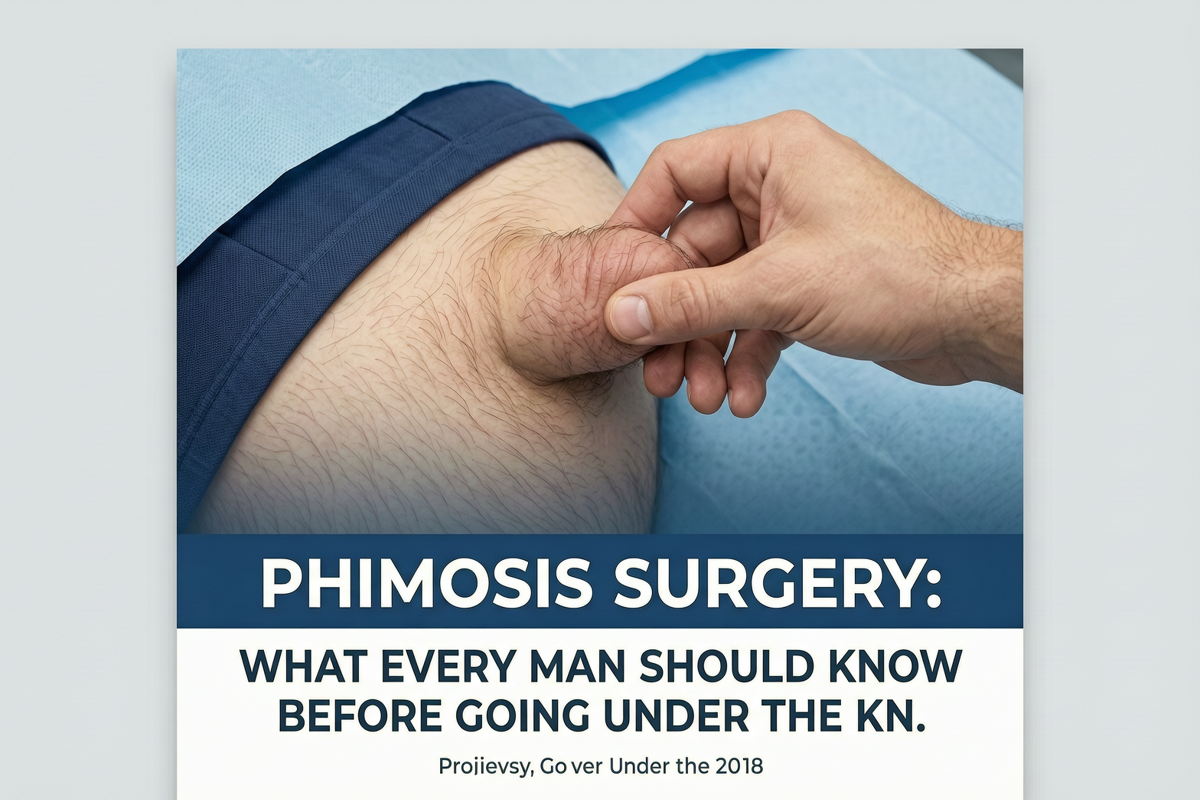
Phimosis Surgery: What Every Man Should Know Before Going Under the Kn
Considering phimosis surgery? Our guide covers types of circumcision, preputioplasty, recovery tips, and what to expect to help you make an informed decision.
Understanding Phimosis and Why Surgery May Be Needed
Phimosis is a condition where the foreskin is too tight to be pulled back over the glans (head) of the penis. It's common in young boys but often resolves naturally. However, in adults, persistent phimosis can cause pain during erections, difficulty urinating, recurrent infections (balanitis), and problems with hygiene. When conservative treatments like stretching exercises or steroid creams fail, surgery becomes the most effective solution.
Types of Phimosis Surgery
Circumcision
Circumcision is the complete removal of the foreskin. It's the most common and definitive treatment for phimosis. The procedure is typically performed under local or general anesthesia and takes about 30 minutes. Recovery usually takes 2-4 weeks. Benefits include a very low recurrence rate and elimination of phimosis-related issues. However, it permanently removes the foreskin, which some men find cosmetically or functionally undesirable.
Preputioplasty
Preputioplasty is a foreskin-preserving alternative. The surgeon makes a small longitudinal incision in the tight band of the foreskin and then closes it transversely, widening the opening. This allows the foreskin to retract normally while keeping it intact. The procedure is less invasive, with faster recovery (often 1-2 weeks) and less pain. However, there's a small risk of recurrence or scarring.
Frenuloplasty
Sometimes phimosis is accompanied by a tight frenulum (the band of tissue under the glans). Frenuloplasty involves releasing or lengthening the frenulum. It can be done alone or alongside circumcision or preputioplasty.
Choosing the Right Procedure
The choice depends on several factors: severity of phimosis, personal preference for foreskin retention, medical history, and surgeon expertise. Circumcision is recommended for recurrent infections or severe scarring. Preputioplasty is ideal for men who want to keep their foreskin and have mild to moderate phimosis. Discuss the pros and cons with your urologist.
What to Expect Before Surgery
Before surgery, you'll have a consultation where the doctor examines you and reviews your medical history. You may need to stop certain medications (like blood thinners) and arrange for someone to drive you home. Fasting for several hours before anesthesia is usually required.
The Procedure Day
On the day of surgery, you'll be given anesthesia (local with sedation or general). The surgery itself is quick. For circumcision, the foreskin is cut and the edges are stitched. For preputioplasty, the incision is made and sutured. You'll be monitored for a short time before being discharged.
Recovery: What to Expect
First Few Days
Expect swelling, bruising, and discomfort. Pain is usually manageable with over-the-counter pain relievers. You'll be advised to keep the area clean and dry. A dressing may be applied for 24-48 hours.
First Week
Avoid strenuous activity, heavy lifting, and sexual activity. You can shower gently but avoid soaking the wound. Swelling typically peaks at 2-3 days and then subsides. Stitches may be dissolvable or need removal after 7-10 days.
Weeks 2-4
Most men can return to work after 1-2 weeks (longer for manual jobs). You can resume sexual activity after 4-6 weeks, once healing is complete. Full recovery may take up to 6 weeks.
Potential Risks and Complications
As with any surgery, there are risks: infection, bleeding, scarring, reduced sensitivity (rare), and unsatisfactory cosmetic results. Preputioplasty carries a risk of recurrence (about 5-10%). Circumcision has a very low complication rate but can lead to meatal stenosis (narrowing of the urinary opening) in rare cases.
Tips for a Smooth Recovery
- Follow your surgeon's aftercare instructions carefully.
- Apply ice packs (wrapped in a cloth) to reduce swelling.
- Wear loose, cotton underwear to minimize friction.
- Eat a healthy diet and stay hydrated to promote healing.
- Avoid smoking and alcohol, as they impair recovery.
- Attend follow-up appointments to ensure proper healing.
When to Call Your Doctor
Seek medical attention if you experience signs of infection: increasing redness, warmth, pus, or fever; severe pain not relieved by medication; difficulty urinating; or bleeding that doesn't stop.
Long-Term Outlook
Both circumcision and preputioplasty have high success rates. Most men are satisfied with the outcome and report improved quality of life, better hygiene, and pain-free erections. The choice ultimately depends on your priorities. If you value preserving the foreskin, preputioplasty is a good option. If you want a permanent solution with minimal chance of recurrence, circumcision is the gold standard.
Phimosis surgery is a safe, effective procedure that can significantly improve your comfort and confidence. Talk to a qualified urologist to explore your options and take the first step toward relief.