Beyond Bedside: How NHS Jobs Are Transforming in 2025
Discover how NHS jobs are evolving with digital health, flexible roles, and new recruitment strategies to meet modern healthcare demands.
Introduction: The Changing Face of NHS Careers
The National Health Service (NHS) is not only the UK's largest employer but also one of its most dynamic. With over 1.3 million staff, the range of NHS jobs has expanded far beyond traditional clinical roles. In 2025, the NHS is undergoing a profound transformation driven by digital innovation, flexible working models, and a renewed focus on staff wellbeing. Whether you are a seasoned healthcare professional or considering your first step into the sector, understanding these shifts is key to navigating the modern NHS job market.
The Rise of Digital and Tech Roles
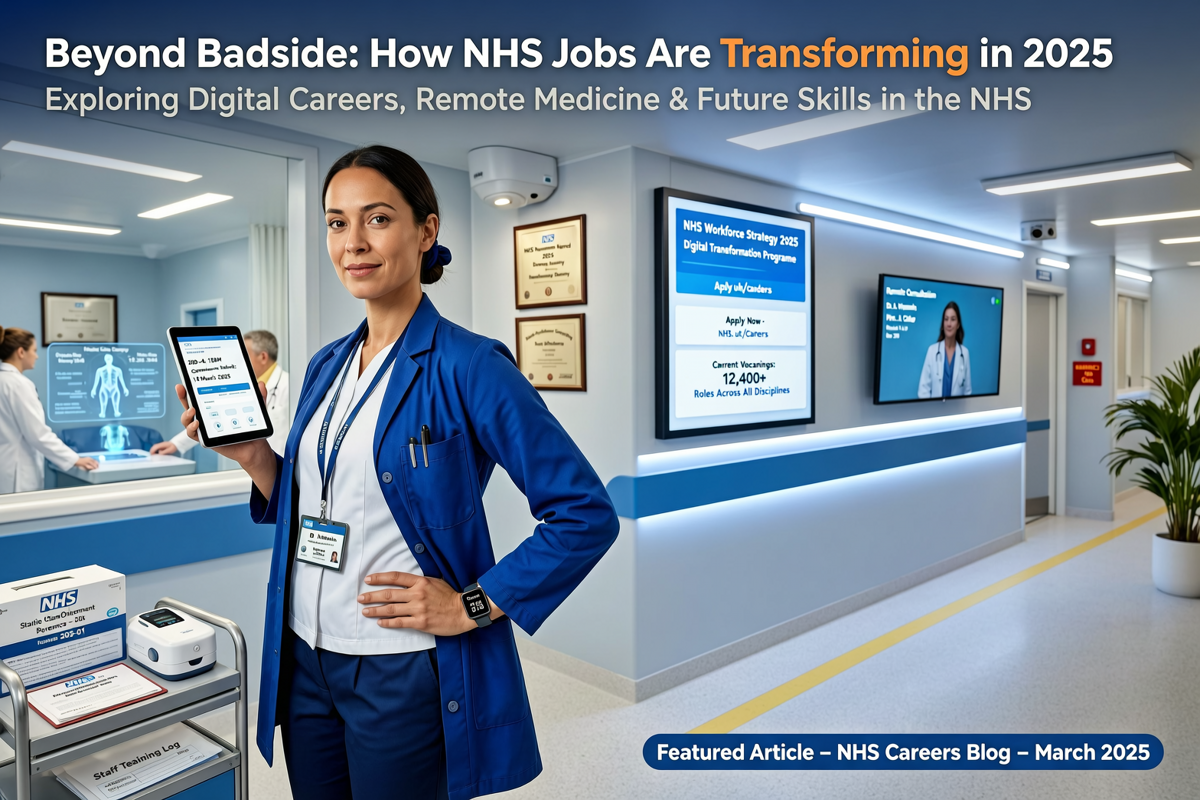
One of the most significant changes in NHS jobs is the surge in digital and technology positions. From data analysts to AI specialists, the NHS now relies heavily on tech talent to improve patient care and operational efficiency. The NHS Digital Academy has trained hundreds of chief clinical information officers, and trusts across England are recruiting for roles like digital transformation leads, cybersecurity analysts, and health informaticians. These positions often offer competitive salaries and the chance to work on projects that directly impact millions of lives.
Examples of Emerging Digital Roles
- Clinical Data Manager: Oversees collection and analysis of patient data to drive evidence-based practices.
- AI Implementation Specialist: Helps integrate artificial intelligence into diagnostic pathways, such as radiology or pathology.
- Telehealth Coordinator: Manages virtual consultation platforms and ensures seamless remote care delivery.
- E-Health Project Manager: Leads initiatives like electronic patient records or mobile health apps.
Flexible Working and Work-Life Balance
Historically, NHS jobs were synonymous with rigid shifts and long hours. Today, the NHS is embracing flexible working as a tool to attract and retain talent. Many trusts now offer part-time, compressed hours, term-time-only contracts, and remote working options for administrative and digital roles. The NHS People Promise emphasizes staff wellbeing, and flexible working is a cornerstone. For example, some nursing teams use self-rostering software, allowing individuals to have a say in their schedules. This shift is particularly appealing to younger generations and those returning to work after a career break.
How to Leverage Flexibility
When applying for NHS jobs, look for roles marked as “flexible” on the NHS Jobs website. Don't hesitate to request flexible arrangements during interviews – many trusts are open to negotiation, especially for hard-to-fill positions. Remember that even clinical roles like physiotherapy or occupational therapy can sometimes be done on a part-time basis.
Career Progression Without Leaving the NHS
The NHS offers structured career pathways that allow staff to progress laterally or upwards. Apprenticeships, degree apprenticeships, and internal training programmes are abundant. For instance, a healthcare assistant can train to become a nurse through the Nursing Associate apprenticeship, while experienced nurses can move into advanced practice or consultant roles. Additionally, the NHS Leadership Academy provides courses for those aspiring to management positions.
New Portfolios and Specialisms
Beyond traditional paths, new specialisms are emerging. Physician associates, advanced clinical practitioners, and paramedic practitioners are increasingly common in primary and secondary care. These roles help bridge gaps in service delivery and offer exciting career development. Moreover, the NHS is investing in digital clinical safety officers and innovation scouts, blending clinical expertise with tech acumen.
Applying for NHS Jobs: Tips for Success
The application process for NHS jobs can be competitive. Here are some practical tips to boost your chances:
- Tailor your CV and supporting statement to the person specification. Use the STAR method (Situation, Task, Action, Result) to highlight achievements.
- Research the trust – understand its values, recent initiatives, and challenges. Mention these in your application.
- Prepare for values-based interviews. Many NHS organisations use structured interviews focusing on the NHS Constitution values: respect, dignity, commitment to quality, and working together.
- Network – attend NHS recruitment events, webinars, and join professional bodies like the Royal College of Nursing (RCN) for clinical roles.
- Use the NHS Jobs website (jobs.nhs.uk) and also check trust-specific career pages. Some trusts now use AI-powered matching tools to recommend vacancies.
Addressing the Nursing and Allied Health Shortage
Despite positive changes, the NHS faces persistent workforce shortages, particularly in nursing, midwifery, and allied health professions. To combat this, the government has launched initiatives like the NHS Long Term Workforce Plan, which aims to train more staff and improve retention. For job seekers, this means increased opportunities in underserved areas – such as mental health, community nursing, and learning disabilities. Additionally, international recruitment remains strong, with the NHS actively hiring from countries like India, the Philippines, and Nigeria.
The Role of Bank and Agency Work
Many professionals supplement their income with NHS bank shifts, which offer flexibility. Agencies also place staff in NHS settings, but trusts are increasingly building in-house “staff banks” to reduce costs and improve continuity of care.
Conclusion: A Future-Proof Career Destination
NHS jobs in 2025 are more diverse, flexible, and technologically advanced than ever before. Whether you are a clinician, an administrator, a data scientist, or a facilities manager, the NHS offers a rewarding career with a clear sense of purpose. By staying informed about emerging trends and adapting your skills, you can build a sustainable and fulfilling career within the UK's most cherished institution.
If you are ready to explore current vacancies, visit the NHS Jobs website and take the first step toward a career that truly makes a difference.