Used Car Trend Prediction in 2026
The global automotive landscape is changing rapidly, and the used car market is evolving alongside it. As we look ahead, the used car trend prediction in 2026 is becoming a crucial topic for manufacturers, dealers, investors, and buyers. Economic pressures, technological innovation, and consumer mindset shifts are converging to reshape the second-hand vehicle industry. In this article, we will explore 10 major factors that will define the used car market in 2026 - from macroeconomic forces to new ownership models - and how these changes will influence pricing, demand, and business strategies.
Overview of the Global Used Car Market
The used car industry has been on a strong growth trajectory over the past decade. In many regions, pre-owned vehicles already outsell new vehicles due to their affordability and availability. Buyers are realizing they can get newer models at lower costs, especially with certified pre-owned programs guaranteeing quality.
By 2026, analysts project that the used car market size will reach record highs. This growth is largely driven by younger buyers entering the market, who are more pragmatic and cost-conscious than previous generations. This demographic sees used cars as smarter investments, which will keep demand consistently high.
Macroeconomic Factors Influencing 2026 Trends
Inflation and Interest Rates
High interest rates will likely push more consumers toward used cars. New car loans carry higher monthly payments, making second-hand vehicles more attractive. Economic uncertainty also encourages people to choose lower-risk, lower-cost options.
Global Supply Chain Recovery
After years of supply chain disruption and chip shortages, new car production is recovering. By 2026, this could ease pressure on used car demand, but because of rising living costs, used cars will still be the preferred option for millions of buyers worldwide.
Technological Advancements Reshaping Used Car Sales
AI-Powered Pricing Tools
Technology will revolutionize how cars are priced and sold. By 2026, AI-driven pricing algorithms will be standard on used car platforms. These tools analyze real-time market data to suggest fair pricing, increasing trust and reducing negotiation friction for used car buyers.
Online-First Marketplaces
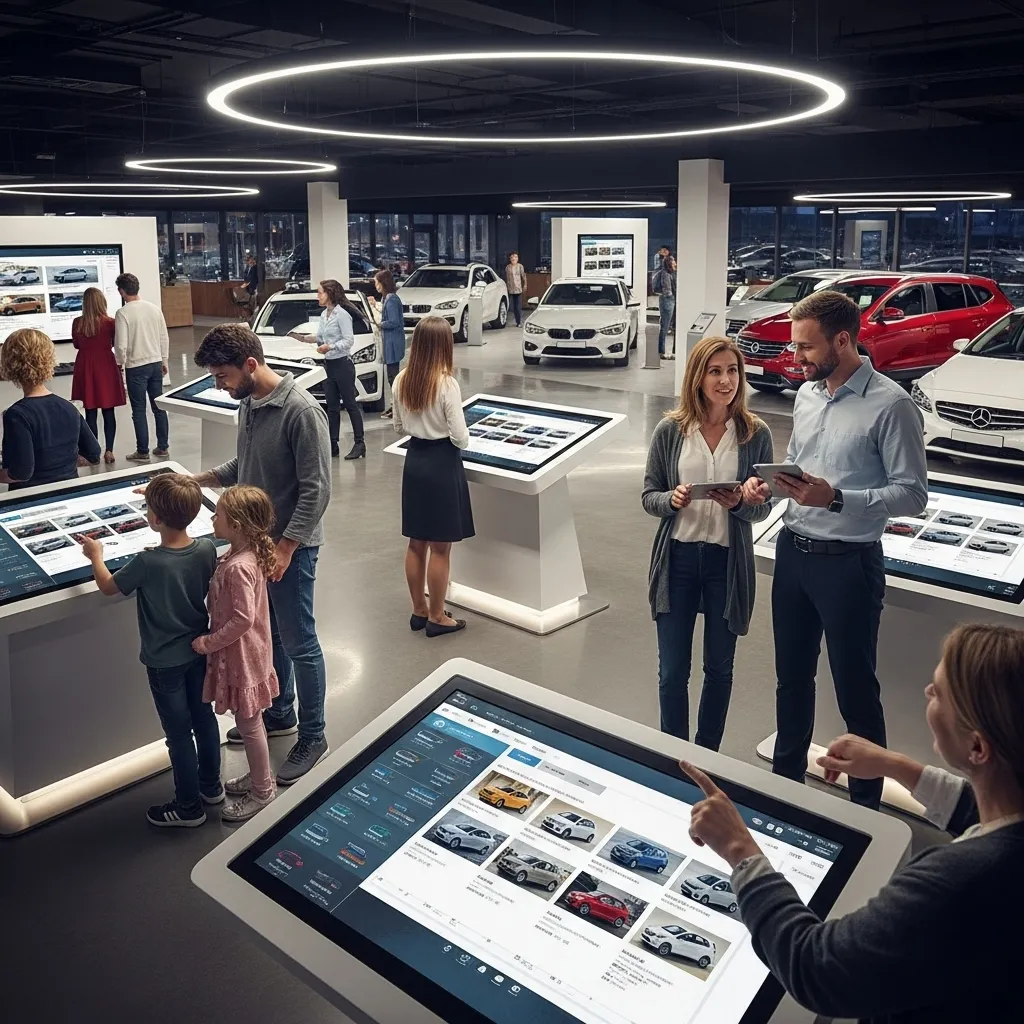
The online used car marketplace will dominate by 2026. Buyers will be able to handle the entire process - searching, financing, purchasing, and even delivery - completely online. This shift will reduce the need for physical dealerships and give consumers far more choice and transparency.
Changing Consumer Behavior by 2026
Millennials and Gen Z Buyers
Millennial and Gen Z car buyers will make up most of the used car market by 2026. These buyers value affordability, digital experiences, and sustainability, which will influence how dealerships present and sell pre-owned cars.
Preference for Flexible Ownership
Instead of long-term ownership, many buyers will prefer subscription-based car models or short-term leases. This approach offers flexibility without long commitments and will open new revenue opportunities for platforms specializing in used car leasing.
Regional Market Variations
North America
The North American used car market will continue to favor SUVs and trucks, driven by lifestyle needs and high fuel efficiency in newer models. Economic pressure will push many households to purchase quality used vehicles instead of expensive new ones.
Europe and Asia
In Europe, strict environmental regulations will phase out older polluting models, boosting demand for low-emission used cars. In Asia, the growing middle class and rapid urbanization will drive a surge in second-hand car sales, especially compact vehicles for city use.
Sustainability and Environmental Impact
Reusing Over Producing
Environmental awareness will drive used car trends in 2026. Many consumers will see buying pre-owned vehicles as a sustainable choice that lowers manufacturing-related emissions and extends the lifecycle of existing cars.
Government Incentives
Governments may introduce tax credits for used low-emission vehicles to support sustainability goals. Such policies will accelerate demand for newer hybrid or efficient used models, further reshaping the used car industry.
Price Forecasts for Used Cars in 2026
Gradual Price Stabilization
After unprecedented price hikes during the pandemic, used car prices are expected to stabilize by 2026. However, some models with high demand or low supply could still command premium resale values, keeping used car investments attractive.
High-Demand Segments
Models projected to perform strongly in 2026 include:
- Compact sedans and hatchbacks for budget-focused buyers
- Light trucks and SUVs for utility-focused buyers
- Low-mileage luxury vehicles offering premium value at lower cost
Role of Financing and Insurance in 2026
Digital Financing Solutions
By 2026, most used car financing will happen through digital platforms offering instant loan approvals, customizable payment plans, and AI-based credit scoring. This will remove barriers and make buying second-hand vehicles faster and easier.
Usage-Based Insurance Models
Insurance providers will increasingly offer usage-based insurance tailored to individual driving behavior. This model benefits used car owners, especially low-mileage drivers, by lowering their insurance costs and boosting overall affordability.
Dealer and Platform Strategies
Omnichannel Experience
Dealers will adopt an omnichannel sales strategy, combining the convenience of online shopping with personalized in-person service. This hybrid model will dominate the used car industry by 2026, providing customers the best of both worlds.
Certified Pre-Owned Programs
More platforms will expand certified pre-owned (CPO) programs, offering warranties and thorough inspections. These programs reduce risk for buyers and enhance the perceived quality of pre-owned vehicles, increasing their market value.
Long-Term Outlook Beyond 2026
Integration with Mobility Services
Used cars will increasingly support ride-sharing fleets and car subscription platforms, extending their operational life and creating recurring revenue for owners and dealerships.
AI-Powered Predictive Analytics
By 2026 and beyond, predictive analytics in used car sales will help platforms forecast demand, set optimal pricing, and manage inventory turnover. This data-driven approach will make the used car ecosystem more efficient and profitable.
Conclusion
The used car trend prediction in 2026 reveals a market that is larger, more digital, and more sustainable than ever. With economic pressures pushing consumers toward affordable options, and technology making the buying process smoother and more transparent, the used car industry is on the brink of major transformation.
Buyers will prioritize value, convenience, and flexibility. Dealers and platforms that embrace digital tools, sustainable business models, and customer-centric services will gain a competitive edge.
As we approach 2026, one thing is certain: the second-hand car market is no longer just a fallback option - it’s becoming the primary choice for millions of consumers worldwide.