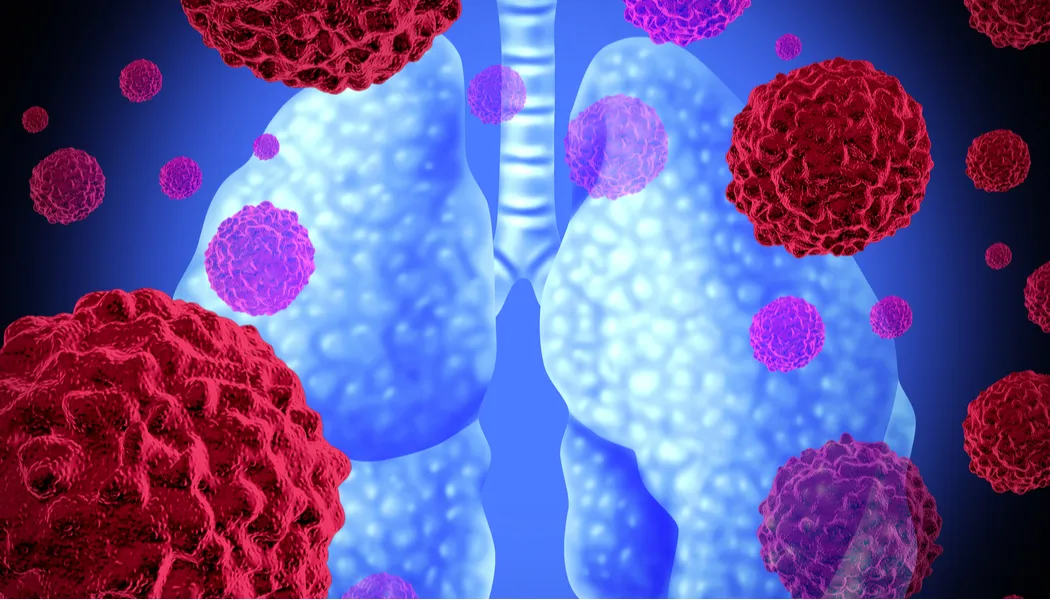
Understanding Lung Cancer in the U.S.: Trends, Risks, and Advances in Treatment
Lung cancer is one of the most commonly diagnosed cancers in the United States and continues to impact individuals from all backgrounds. While traditionally associated with long-term smoking, lung cancer can also affect nonsmokers due to genetic factors, environmental exposure, and occupational risks.
Healthcare experts note that awareness, early testing, and better treatment technologies are improving survival rates and offering new hope for patients.

Key Risk Factors Associated With Lung Cancer
Lung cancer develops when abnormal cells grow uncontrollably in the lungs. Several risk factors increase the likelihood of developing the disease, including:
1. Smoking and Secondhand Smoke
Cigarette smoking remains the leading cause of lung cancer in the U.S., but exposure to secondhand smoke also significantly increases risk.
2. Radon Exposure
Radon gas found in homes is one of the most overlooked causes of lung cancer and can affect individuals regardless of lifestyle.
3. Air Pollution
Poor air quality in certain regions contributes to rising lung cancer cases.
4. Family or Genetic History
Some individuals may develop lung cancer due to inherited genetic mutations.
5. Occupational Hazards
Exposure to asbestos, diesel exhaust, or industrial chemicals can also increase risk.
Understanding these factors helps individuals adopt preventive habits and seek testing when necessary.
Early Detection Plays a Critical Role in Saving Lives
Early detection significantly increases the chances of successful treatment.
In the U.S., eligible adults—particularly long-term smokers—are encouraged to undergo low-dose CT scans, a highly effective screening method for identifying lung cancer in early stages.
Symptoms to watch for include:
- Persistent cough
- Shortness of breath
- Chest pain
- Unexplained weight loss
- Coughing up blood
Many cases remain undetected until advanced stages, making regular screening essential for high-risk individuals.
Treatment Options in the U.S. Continue to Advance
Medical researchers and cancer centers across the United States have made major progress in developing innovative lung cancer treatments. Today, patients have access to multiple approaches designed to fit their specific diagnosis.
Targeted Therapy
These treatments focus on genetic changes within cancer cells, allowing precise and effective intervention with fewer side effects.
Immunotherapy
One of the most transformative breakthroughs in cancer care, immunotherapy helps the patient’s immune system identify and attack cancer cells.
Radiation Therapy
Modern techniques such as SBRT and IMRT deliver high-precision radiation, minimizing damage to surrounding healthy tissue.
Surgery
Minimally invasive surgical procedures are now commonly used to remove tumors while reducing recovery time.
These advancements offer more personalized care and improved outcomes for patients across the country.
Prevention and Lifestyle Changes Can Reduce Risk
While not all lung cancer cases are preventable, certain habits and protective actions can significantly lower risk. Healthcare organizations continue to promote:
- Smoking cessation programs
- Regular radon testing in homes
- Occupational safety awareness
- Environmental health education
- Maintaining a healthy lifestyle and routine checkups
Long-term prevention remains a cornerstone of reducing lung cancer cases in the U.S.
Conclusion
Lung cancer remains one of the most serious medical challenges in the United States, but growing awareness, improved detection, and advancements in treatment are creating better outcomes for patients. By understanding risk factors, recognizing symptoms early, and accessing modern therapies, individuals can take meaningful steps toward prevention and early intervention. Continued investment in research and public education is essential to strengthening America’s fight against lung cancer.