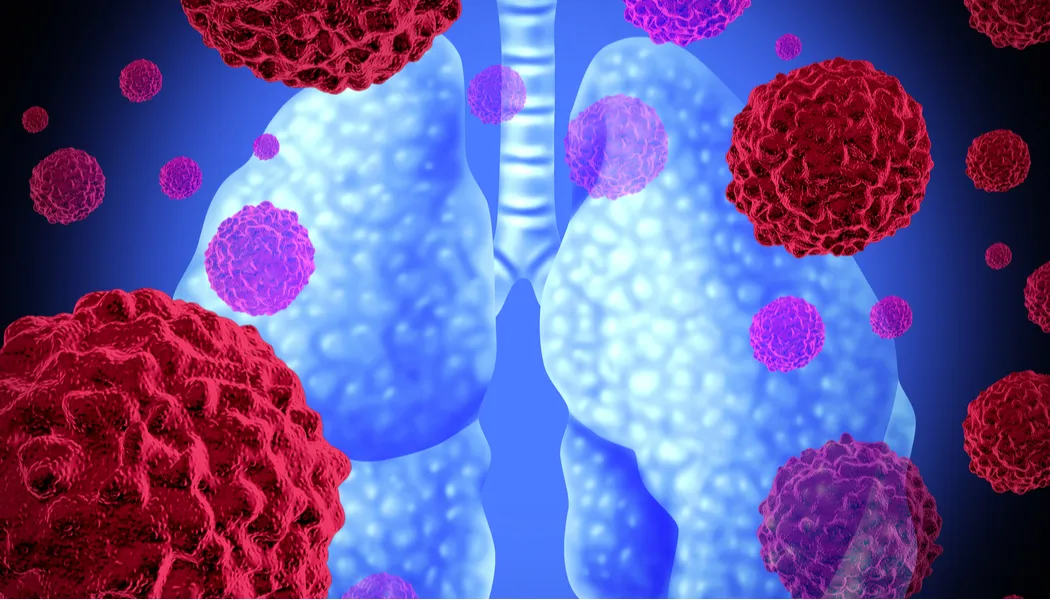
Lung Cancer Treatment in the U.S. Sees Advancements as Awareness and Early Detection Improve
Lung cancer continues to be one of the most prevalent and impactful cancers in the U.S., affecting thousands of individuals each year. Despite its challenges, advancements in screening, diagnostic tools, and personalized treatment have improved survival rates and expanded care options for patients nationwide.
Medical experts emphasize that earlier detection—especially among high-risk groups—has played a crucial role in enabling more effective treatment strategies.
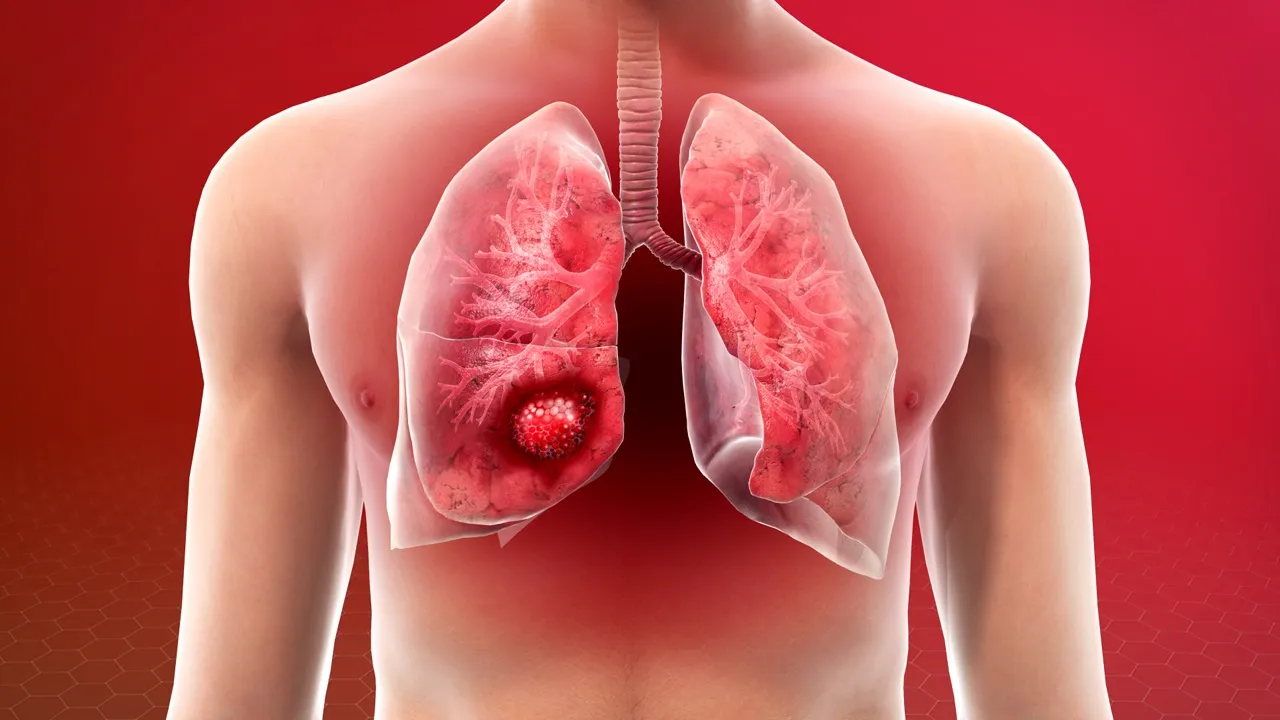
Growing Awareness Drives Early Detection Efforts
Healthcare organizations and advocacy groups across the country have increased efforts to educate the public about lung cancer risk factors, symptoms, and the importance of screening.
Key initiatives focus on:
- Encouraging eligible adults to undergo low-dose CT scans
- Promoting smoking cessation programs
- Providing guidance for monitoring persistent cough or breathing issues
- Expanding access to diagnostic centers in underserved areas
These efforts help more Americans detect lung cancer at earlier, more treatable stages.
Advances in Lung Cancer Treatment Offer New Hope
The U.S. healthcare system has seen significant progress in the types of treatments available for lung cancer patients. Hospitals and comprehensive cancer centers now offer:
1. Targeted Therapy
Designed to attack specific cancer gene mutations, targeted therapy gives oncologists the ability to treat patients more precisely, with fewer side effects.
2. Immunotherapy
Immunotherapy has become one of the most promising breakthroughs in lung cancer care. It works by empowering the patient’s immune system to recognize and destroy cancer cells more effectively.
3. Advanced Radiation Techniques
Technologies such as stereotactic body radiation therapy (SBRT) and intensity-modulated radiation therapy (IMRT) allow high precision when targeting tumors.
4. Minimally Invasive Surgery
Video-assisted and robotic-assisted lung surgeries help reduce recovery times and postoperative complications.
These innovations give patients more personalized and effective treatment pathways tailored to their diagnosis.
Access to Care Improves Through Expanded Treatment Centers
Many U.S. cancer centers are expanding their service areas to make lung cancer treatment more accessible. Patients can now find specialized programs in:
- Major academic hospitals
- Regional cancer centers
- Community oncology clinics
- Telehealth-supported networks
This expansion helps reduce travel burdens for patients and ensures more people receive timely, high-quality care.
Lifestyle and Prevention Remain a Central Focus
Doctors continue to emphasize the importance of smoking cessation and environmental awareness in reducing lung cancer risk. Efforts are centered on:
- Tobacco quitting programs
- Radon testing in homes
- Air quality monitoring
- Education about workplace exposure to harmful substances
These prevention strategies are essential for long-term reductions in lung cancer cases.
Conclusion
Lung cancer remains a serious challenge in the United States, but ongoing advancements in detection and treatment are providing renewed hope for patients. With improved screening programs, innovative therapies, and expanded access to care, Americans now have more opportunities for early diagnosis and effective treatment than ever before. Continued awareness and prevention efforts are key to improving outcomes nationwide.