Early Screening Efforts Transform the Outlook of Lung Cancer in the U.S.
Lung cancer continues to be a significant health concern in the United States, but early detection programs are reshaping how the disease is diagnosed and treated. Hospitals, public health organizations, and cancer networks are prioritizing low-dose CT scan screenings to help identify lung cancer at earlier, more treatable stages.
As awareness grows, more Americans are becoming informed about eligibility, risk factors, and the life-saving benefits of early testing.
Why Early Detection Matters More Than Ever
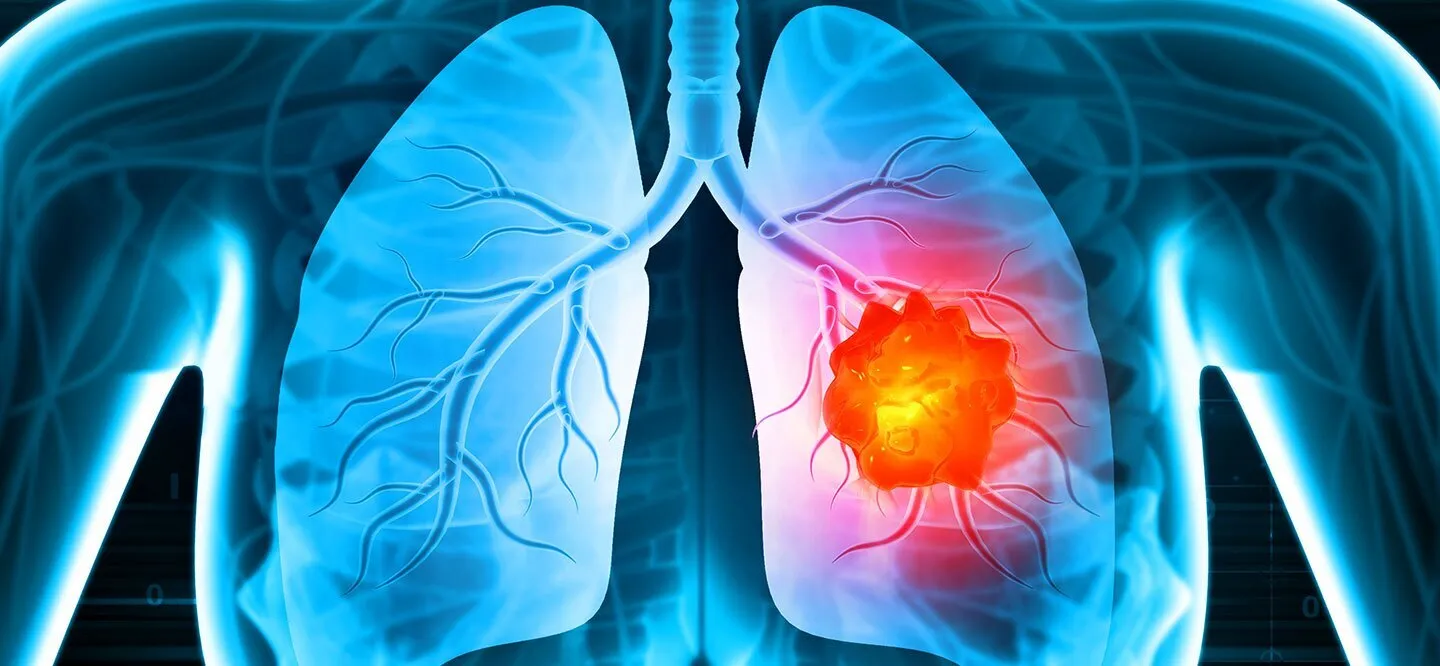
Lung cancer is often diagnosed late because symptoms can be subtle or mistaken for common respiratory issues. Early detection dramatically improves treatment success, giving patients more options and higher survival rates.
Key benefits of early screening include:
- Detecting tumors before they spread
- Allowing minimally invasive treatment
- Offering access to targeted or immunotherapy sooner
- Reducing long-term healthcare costs
- Increasing survival and long-term recovery
Experts stress that early diagnosis can make the difference between limited treatment possibilities and a far more manageable condition.
Who Should Consider Lung Cancer Screening?
The U.S. medical community encourages screening for individuals who meet certain high-risk criteria, including:
- Long-term current or former smokers
- Adults exposed to secondhand smoke for many years
- Individuals living in areas with high radon exposure
- Workers exposed to asbestos, diesel fumes, or industrial chemicals
- People with a strong family history of lung cancer
These groups benefit most from routine CT scan screenings, which are quick, painless, and highly accurate.
U.S. Medical Centers Expand Screening Programs Nationwide
To make early screening more accessible, major health systems across the U.S. are expanding their lung cancer programs. This includes:
- Mobile screening units
- Insurance-supported screening coverage
- Community health partnerships
- Patient education workshops
- Dedicated lung cancer prevention centers
These initiatives particularly benefit rural communities and underserved populations who previously had limited access to screening tools.
Advancements in Diagnostic Technology Improve Accuracy
Medical technology is evolving rapidly, enhancing detection and diagnostic accuracy. The latest tools used across the U.S. include:
Low-Dose CT Scans
The gold standard for early lung cancer detection, offering high sensitivity with minimal radiation exposure.
AI-Powered Imaging Analysis
Artificial intelligence is increasingly used to assist radiologists in identifying small lung nodules early.
Biomarker Testing
Blood-based tests are being evaluated to detect cancer indicators before tumors appear on scans.
These innovations are helping doctors diagnose lung cancer faster and with more precision.
Treatment Options Expand With Earlier Diagnosis
When lung cancer is detected early, patients have access to more effective treatment pathways such as:
- Minimally invasive surgery
- Targeted therapy for genetic mutations
- Immunotherapy for eligible patients
- Precision-guided radiation therapy
- Personalized care plans tailored to tumor type
Earlier diagnosis often means less aggressive treatment and more positive long-term outcomes.
Public Health Campaigns Drive Awareness Nationwide
Advocacy groups and cancer organizations continue to invest in public outreach to educate Americans about lung cancer risks. Campaigns focus on:
- Smoking cessation support
- Radon awareness in homes
- Reducing occupational exposure
- Family health education
- Highlighting symptoms that should not be ignored
These efforts help empower communities to recognize risk factors and seek screening sooner.
Conclusion
Lung cancer remains a leading health challenge in the United States, but expanded early screening programs and advanced diagnostic technologies are improving the landscape. With greater awareness, nationwide screening access, and more treatment options available at earlier stages, Americans have a stronger chance than ever to detect and treat lung cancer successfully. Continued investment in early detection, prevention, and community education remains key to reducing lung cancer’s impact.