Cashless Payment Trends in Japan: Credit Card vs. Mobile Wallets
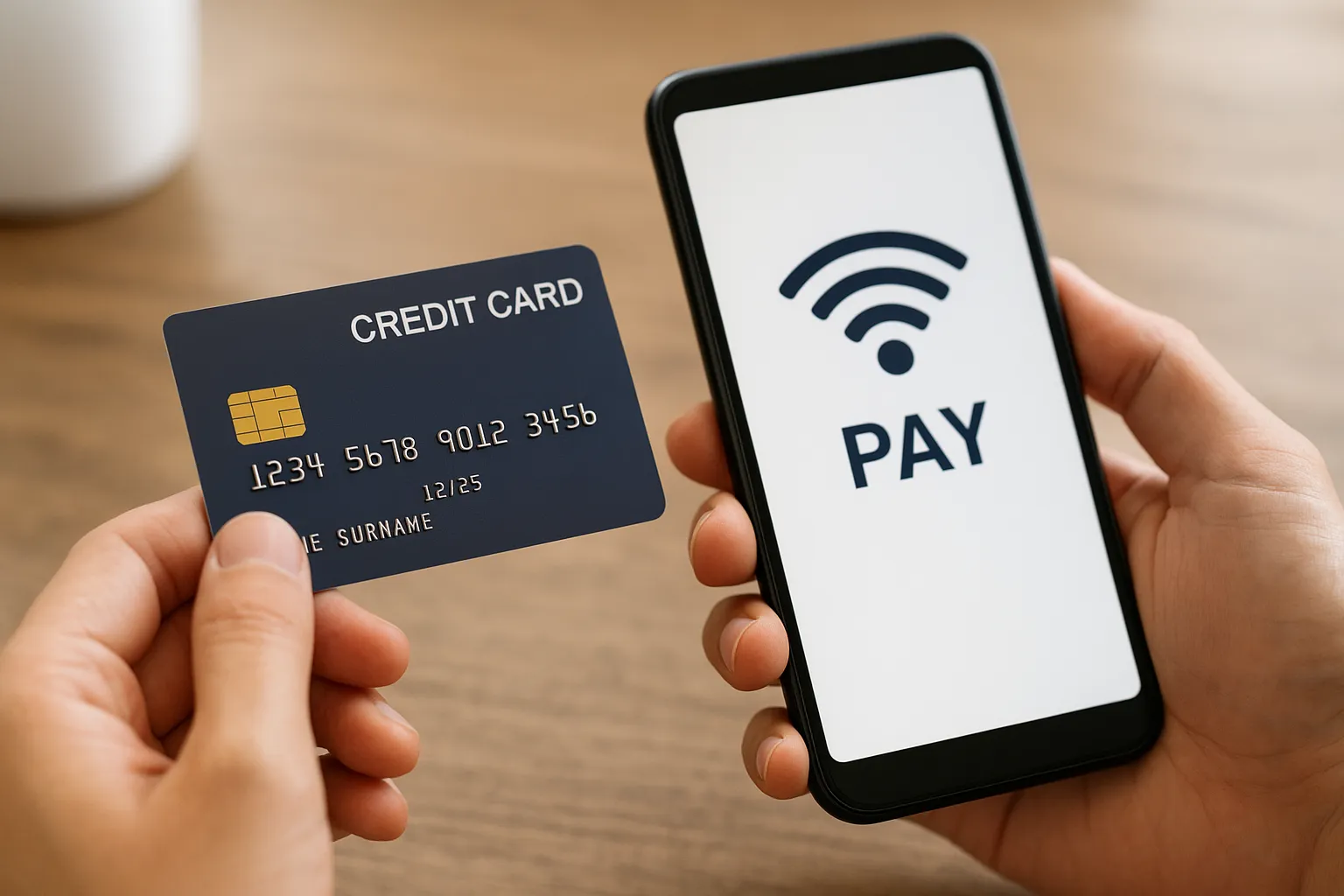
Japan, often seen as a land of tradition meeting technology, has undergone significant transformation in how people pay for goods and services. Once dominated by cash culture, the country is now experiencing rapid growth in cashless payment options. Two leading methods - credit card systems and mobile wallets - are competing for dominance. Understanding these trends is essential for consumers, businesses, and policymakers as Japan moves toward a digital economy. This article explores the evolution, challenges, and future outlook of cashless payments in Japan.
1. Historical Background of Cash Payments in Japan
For decades, Japan was known as a cash-based society. People preferred physical money due to cultural habits of trust, tangibility, and control over spending. ATMs were widely available, and many transactions, including rent and utilities, were conducted in cash.
However, with globalization, the rise of e-commerce, and government policy, cash payments started to decline. The introduction of credit cards in the 1960s marked the beginning of a slow but steady shift toward alternative payment methods.
Factors Behind Cash Dominance
- Deep-rooted cultural trust in cash
- Low crime rates making cash transactions safe
- Widespread ATM infrastructure
2. The Rise of Credit Cards in Japan
Credit cards became popular in the late 20th century, especially for travel, online shopping, and high-value purchases. Japan’s credit card penetration rate increased significantly during the 1990s and 2000s.
Despite this growth, credit card usage lagged behind countries like the United States. Many small businesses were reluctant to accept cards due to transaction fees, and consumers remained cautious about debt.
Benefits of Credit Card Usage
- Rewards programs and points for purchases
- Convenience for international travelers
- Enhanced security compared to carrying large amounts of cash
3. Mobile Wallets Enter the Market
The introduction of mobile wallet services such as Apple Pay, Google Pay, PayPay, and LINE Pay marked a turning point in Japan’s payment ecosystem. Younger generations, more comfortable with smartphones, quickly adopted mobile wallets for daily purchases.
Unlike credit cards, mobile wallets gained traction because they integrated with existing loyalty programs and allowed quick transactions via QR codes and NFC technology. This reduced friction for both consumers and merchants.
Popular Mobile Wallet Platforms
- PayPay - backed by SoftBank and Yahoo Japan
- Rakuten Pay - linked with Rakuten’s massive e-commerce platform
- LINE Pay - integrated into Japan’s most popular messaging app
- Suica Mobile - originally a transit card, now used widely in retail
4. Government Initiatives Driving Cashless Payments
The Japanese government has actively promoted cashless transactions as part of its “Cashless Vision 2025” strategy. The goal is to increase the ratio of digital payments to at least 40% of all transactions.
Policies include tax incentives for businesses adopting cashless systems, subsidies for merchants installing terminals, and promotional campaigns highlighting the convenience and safety of digital payments.
Key Programs
- Cashless Rebate Program (2019 - 2020) during the consumption tax hike
- Subsidies for QR code payment adoption
- Digital Government Strategy for Smart Cities
5. Consumer Behavior: Credit Card vs. Mobile Wallets
Japanese consumers are divided between the convenience of credit cards and the flexibility of mobile wallets. Older generations tend to prefer credit cards for their familiarity, while younger users favor mobile wallets for speed and integration with apps.
A significant factor is spending habits. Credit cards are preferred for high-value purchases such as travel and electronics, while mobile wallets dominate in everyday purchases like coffee shops, convenience stores, and public transportation.
Consumer Preferences by Age
- Under 30: Strong preference for mobile wallets
- 30–50: Mixed usage of both methods
- Over 50: Predominantly credit card or cash users
6. Merchant Adoption and Business Impact
Merchants in Japan once resisted cashless payments due to high transaction fees and complex systems. However, government incentives and consumer demand have changed this trend.
Today, convenience stores, supermarkets, restaurants, and even small local shops accept cashless payments. Mobile wallets in particular have enabled small businesses to enter the digital economy without the high costs of traditional credit card terminals.
Benefits for Merchants
- Faster transaction processing
- Lower risk of theft compared to cash handling
- Access to digital sales analytics and customer data
7. Security and Privacy Concerns
Security is a major factor influencing the adoption of cashless payment systems. Credit cards are equipped with fraud protection, while mobile wallets use encryption, biometrics, and tokenization for security.
However, privacy concerns remain. Many users fear that mobile wallets collect too much personal data. Meanwhile, phishing scams and fraudulent QR codes have been reported in isolated cases.
Best Practices for Consumers
- Enable two-factor authentication
- Use biometric verification on mobile wallets
- Monitor statements regularly for unauthorized charges
8. International Influence and Tourism Impact
Japan’s tourism industry has influenced cashless payment adoption. Foreign visitors often expect card and mobile payment options, putting pressure on Japanese businesses to adapt.
Major tourist areas like Tokyo, Osaka, and Kyoto have widespread acceptance of credit cards and mobile wallets. However, rural regions still rely heavily on cash, creating a digital divide.
Global Comparison
- South Korea: Over 90% of transactions are cashless
- China: Mobile wallets dominate daily life
- Japan: Still balancing between cash, credit cards, and mobile payments
9. Future Outlook: Toward a Cashless Japan
The future of cashless payment trends in Japan looks promising. With the upcoming World Expo 2025 in Osaka and growing smart city initiatives, Japan aims to showcase itself as a leader in digital payments.
Credit cards will remain important for large-scale transactions and international payments, while mobile wallets are expected to dominate microtransactions and daily purchases. Integration with AI, blockchain, and fintech innovations will further shape the market.
Predicted Trends
- Increased adoption of biometric payments (face recognition, fingerprint)
- Stronger competition between domestic and international payment providers
- Expansion of cashless ecosystems into rural areas
10. Challenges and Recommendations
Despite progress, Japan faces challenges in becoming a truly cashless society. Resistance among elderly consumers, regional disparities, and cybersecurity threats remain key issues.
Recommendations include targeted education campaigns for older generations, investment in rural infrastructure, and stronger cybersecurity frameworks to build consumer trust.
Key Recommendations
- Educate consumers on safe usage of digital payments
- Encourage businesses with subsidies to adopt mobile wallets
- Collaborate with global payment providers to standardize systems
Conclusion
Japan’s journey toward cashless payments reflects its unique balance of tradition and innovation. While credit cards continue to provide reliability and global access, mobile wallets are reshaping daily consumer behavior. The competition between these methods, supported by government initiatives and consumer demand, will define the future of Japan’s payment ecosystem.
Ultimately, Japan is moving toward a hybrid model where cash, credit cards, and mobile wallets coexist, offering consumers flexibility and businesses new opportunities in the digital age.