Drive Smarter, Pay Less: Telematics Car Insurance Explained
Discover how telematics car insurance uses driving data to reward safe habits, cut premiums, and reshape the auto insurance landscape.
The New Era of Car Insurance
Car insurance has long been a one-size-fits-all product. Your premium is based on broad factors like age, location, and vehicle type. But what if your insurance could actually watch how you drive and reward you for being safe? That is exactly what telematics insurance does. Also known as usage-based insurance, this technology is changing the way drivers interact with their policies and how insurers calculate risk.
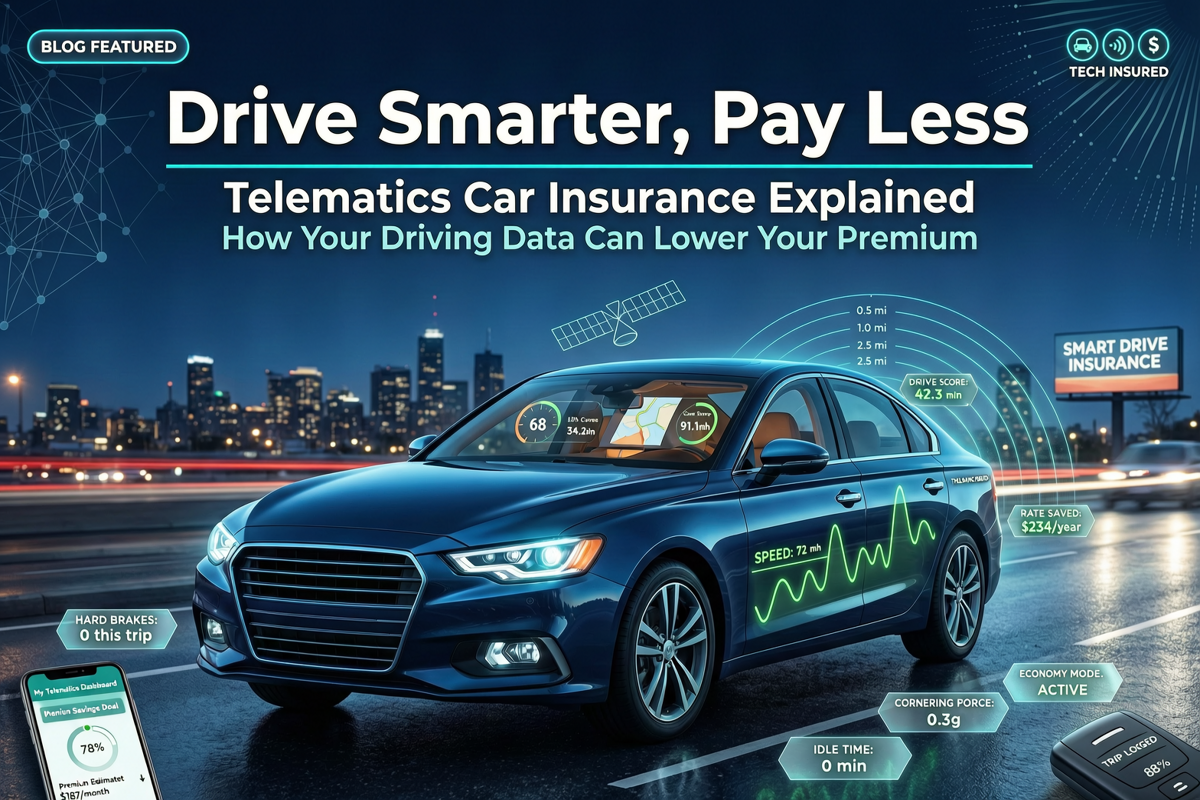
Telematics uses a combination of GPS, accelerometers, and smartphone apps to collect real-time data on your driving behavior. It tracks everything from speed and braking patterns to cornering and the time of day you drive. The result is a highly personalized insurance score that can lead to significant savings for careful drivers.
How Telematics Insurance Works
The concept is simple: you agree to let your insurer monitor your driving habits. In exchange, you receive a premium that better reflects your actual risk. There are three common ways this data is collected:
- Mobile apps: Your insurer provides an app that uses your smartphone's sensors to record trips and score your driving.
- Plug-in devices: A small device plugs into your car's OBD-II port, collecting data directly from the vehicle's computer.
- Built-in telematics: Many new cars come with factory-installed telematics systems that can sync with your insurer.
Once the data is collected, your insurer analyzes it against a set of safety metrics. Typically, the key factors are:
- Speed: Driving consistently within the speed limit.
- Braking: Avoiding harsh or sudden stops.
- Acceleration: Gentle starts rather than rapid acceleration.
- Cornering: Smooth turns without excessive lateral force.
- Time of day: Driving less frequently during late-night hours, when risks are higher.
Your driving score is then used to adjust your premium. Safe driving behavior can earn discounts of 20% to 40% or more, while risky behavior may result in higher rates or no discount at all.
Why Telematics Insurance Is Growing
The adoption of telematics has accelerated in recent years. Insurers love it because it reduces their exposure to high-risk drivers and gives them a more accurate way to price policies. Drivers love it because it offers a level of fairness that traditional insurance lacks. Instead of being penalized for the aggressive driver three streets over, your premium reflects precisely how you handle your own car.
There is also a safety benefit. Many telematics apps include real-time feedback. When you brake too hard or speed, you get an alert. This encourages better habits behind the wheel. Studies have shown that drivers using telematics improve their behavior, leading to fewer accidents and safer roads.
Who Can Benefit Most from Telematics?
Telematics is not for everyone, but certain groups stand to gain substantially. Young drivers often face sky-high premiums due to lack of experience. By proving their safety through telematics, they can earn meaningful discounts. Similarly, infrequent drivers who only use their car on weekends can see savings that reflect their low mileage, rather than being pooled with daily commuters.
If you live in a city and rarely drive, or if you are a senior who drives cautiously, telematics can be a great fit. On the other hand, if you frequently drive long distances at high speeds, or if you simply value privacy over savings, it may not be the right choice. Insurers also offer different levels of telematics coverage. Some programs only use data to discount, never to penalize. Others may adjust your rate based on a single metric. Understanding the specifics of your insurer's program is key.
Privacy Concerns: What Every Driver Should Know
The biggest reservation most people have about telematics is privacy. Collecting location and driving data can feel intrusive, and it is natural to wonder how that data is used. The good news is that insurers are heavily regulated when it comes to data protection. In most regions, they must clearly explain what data is collected, how it will be used, and who it will be shared with. You almost always have to give explicit consent before your data is tracked.
However, there are still lingering questions. Will your driving data be shared with third parties? Could it be used in a legal dispute after an accident? What happens if you sell the car or decide to delete the app? Most reputable insurers allow you to cancel the telematics program at any time, and some will even delete your historical data upon request.
Before signing up, it is wise to read the fine print. Look for clauses about data retention, sharing with affiliates, and how the score is calculated. If an insurer is not transparent about these details, consider it a red flag.
How to Get the Best Telematics Deal
If you are intrigued by the idea of pay-as-you-drive insurance, there are a few steps you can take to maximize the benefits.
- Compare programs: Not all telematics programs are alike. Some offer a one-time discount for installing the app. Others give a running discount based on your score. A low introductory discount may not be as valuable as a long-term rewards structure.
- Improve your habits: Use the app's feedback to become a more mindful driver. Smooth braking, controlled speed, and avoiding late-night trips can all boost your score.
- Watch your mileage: If your program includes mileage tracking, try to carpool, combine errands, or use public transit when possible. Fewer miles mean less risk.
- Keep your phone mounted: Many telematics apps have difficulty detecting movement accurately when your phone is in your pocket or bag. Mounting it on the dashboard improves data collection and can prevent false harsh braking events.
- Check for discounts: Some insurers also offer a discount for completing a telematics trial period or for maintaining a high score over several months.
Remember that these programs are voluntary. If you find that your score is not improving or that the potential savings are not worth the privacy trade-off, you can typically opt out without penalty.
The Future of Telematics Car Insurance
As vehicles become more connected and autonomous, telematics will likely become the standard rather than the exception. In the near future, insurance may be bundled directly with your vehicle's software, with cars themselves negotiating terms on your behalf. Advanced telematics systems could even detect fatigue, distractions, or drunk driving, offering real-time interventions that prevent accidents before they happen.
Moreover, the rise of electric vehicles and ride-sharing services will create new insurance models. For instance, carsharing services are already experimenting with per-minute insurance that activates only when the car is in motion. Telematics is the backbone of these innovations.
In the meantime, the best way to benefit from this technology is to stay informed and weigh your options carefully. A little data sharing today could mean substantial savings tomorrow. By driving smarter, you truly can pay less.