The Digital DMV: A Step-by-Step Guide to Online Vehicle Registration
Discover how modern DMV online portals are transforming vehicle registration from a dreaded chore into a quick, efficient process. Learn step-by-step how to register your car digitally and avoid commo
The Evolution of the DMV: From Paper to Pixels
For decades, the Department of Motor Vehicles (DMV) conjured images of endless queues, confusing paperwork, and wasted afternoons. Vehicle registration, in particular, was a necessary evil that tested the patience of even the most zen motorists. But a quiet revolution is underway: the DMV is going digital. Across the United States, state agencies are rolling out robust online portals that let you handle everything from title transfers to sticker renewals without ever stepping foot in a physical office.
This shift isn't just about convenience. It's about efficiency, reducing errors, and freeing up staff to handle complex in-person cases. The pandemic accelerated this transformation, forcing DMVs to innovate. Today, many states offer near-complete online vehicle registration services, and even states that still require some in-person steps have streamlined the process with online appointments and pre-filled forms. Whether you're registering a new car, renewing plates, or transferring ownership, understanding the digital DMV can save you hours of frustration.
Step-by-Step Guide to Online Vehicle Registration
While each state's system varies, the core process for online vehicle registration follows a logical sequence. Here’s how to navigate it smoothly.
1. Check Your State’s Online Services
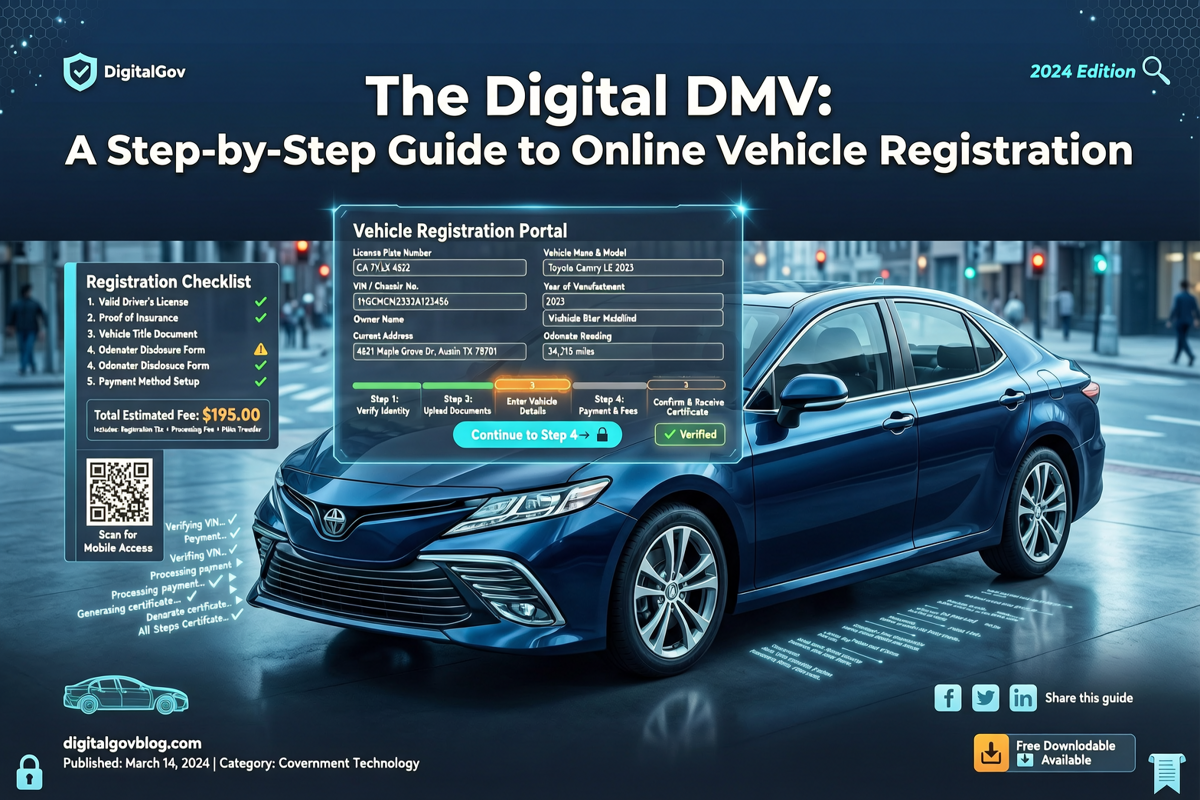
Start by visiting your state DMV’s official website. Look for a "Vehicle Registration" or "Online Services" tab. Most states clearly indicate which transactions can be completed online. Common online services include: first-time vehicle registration (if bought from a dealer), registration renewal, replacement of lost stickers or registration cards, and change of address. Note that private-party sales or out-of-state vehicles may still require a physical visit for VIN verification or additional paperwork.
2. Gather Required Documents
Digital doesn't mean document-free. You'll typically need scanned copies or clear photos of:
- Proof of identity: Driver’s license or state ID.
- Proof of ownership: Manufacturer’s Certificate of Origin (new car) or vehicle title (used car).
- Proof of sales tax payment: Receipt or bill of sale if applicable.
- Proof of insurance: Many systems cross-check with insurers automatically.
- Smog or safety inspection certificate: Some states require a recent test, uploaded digitally.
Having these ready prevents delays and rejected applications.
3. Calculate Your Fees
Online systems usually calculate fees automatically based on vehicle type, weight, and jurisdiction. You’ll see charges for registration, title, plate fees, and local taxes. Be prepared to pay via credit card, debit card, or e-check. Some states add a small convenience fee for online transactions, but it often beats paying for gas and parking at the DMV.
4. Complete the Application
Follow the online prompts carefully. You’ll enter your VIN, personal details, and upload documents. Double-check everything—a simple typo in the VIN can create major headaches. If you need help, look for live chat or a helpline number; many state portals now include virtual assistants to answer common questions.
5. Receive Your Plates and Stickers
Once approved, you’ll receive a temporary registration document via email to print and place in your car. Physical plates, stickers, and registration card will be mailed to your address. Processing times vary from a few days to a few weeks, so plan ahead, especially if your current registration is expiring soon. Some states offer instant digital proof of registration accessible through a companion smartphone app.
Common Pitfalls and How to Avoid Them
Even with digital ease, mistakes happen. Browser compatibility can be an issue—many state websites work best on Chrome or Edge. Firewall settings or pop-up blockers may interfere, so disable them for the DMV site. Also, system maintenance often occurs late at night or on weekends; don’t wait until the last minute. If you're struggling, most DMVs now allow you to schedule an in-person appointment online, which is infinitely better than walk-in chaos.
Another pitfall: assuming all fees are final. Some special plate fees or local surcharges might not appear until the very end of the checkout process, so review the total carefully before paying.
The Future of DMV Services: What’s Next?
The digital DMV is only getting smarter. States are experimenting with mobile apps that store digital driver’s licenses and vehicle registrations, including secure QR codes for law enforcement. AI-driven chatbots can now guide you through complex title transfers. Blockchain is being piloted for tamper-proof vehicle histories. Even self-service kiosks in grocery stores let you renew registration in minutes.
Moreover, connectivity with dealerships and insurance companies is improving, allowing real-time electronic filing. This means eventually, when you buy a car, registration might be initiated automatically at point of sale—no forms needed. The goal is clear: make vehicle registration as invisible as possible, so you can focus on the road ahead. Embracing these digital tools today not only saves you time but prepares you for a future where the DMV is a service, not a place.